Ramadan Charity: Your Complete Guide to Maximizing Rewards
The crescent moon is almost here. For millions of Muslims, this means more than just fasting. It means a huge jump in the spirit of giving. If you want to make your Ramadan Charity count this year, you are in the right place. Ramadan is not just about avoiding food. Ramadan serves as a spiritual reset. It reminds us of our duty to help those who have less.
In the first few days of this holy month, we often see many donation appeals. You might see options for Zakat, Sadaqah, Fitrana, and Fidya. It can feel like a lot to handle. How do you make sure your money reaches the right people? Why is the reward for giving so much higher now? In this guide, we will look at the different ways to give in 2026. We will show you how to turn small acts of kindness into a lifetime of blessings. Let’s explore the heart of Islamic generosity.
1. Why is Ramadan Charity Special?
Every act of worship in Islam has its season. Ramadan is the peak time for charity. The Prophet Muhammad (PBUH) was the most generous of people. He was even more generous in this month. Scholars say that rewards for good deeds multiply by 70 times or more during these thirty days.
But it is not just about the numbers. Giving during Ramadan helps purify our fasts. We are all human. We might lose our temper or say something unkind while we are hungry. Charity acts as a shield. It cleanses our worship and improves it in the eyes of Allah (SWT).
2. Zakat: The Main Duty
You might give small amounts every day. But do not forget the most important one: Zakat. It is one of the Five Pillars of Islam. It is a mandatory 2.5% payment on the wealth you have saved. Many Muslims pay their Zakat during Ramadan to get those extra blessings.
Your Zakat is due if your wealth stayed above the Nisab (the limit) for a full lunar year. In 2026, the silver Nisab is about £1,125 or $2,180. The gold Nisab is much higher, around £10,250 or $19,230. This money is not a gift. It belongs to the poor. Giving it during Ramadan helps families celebrate Eid with food and joy.
3. Sadaqah: Giving from the Heart
Sadaqah is different from Zakat. It is voluntary. You can give any amount you want. In Ramadan Charity, people often use Sadaqah for daily giving. There is no fixed rule for how much or when to give it.
Sadaqah is very flexible. You can give it to a neighbour or a global relief project. The Prophet (PBUH) said that even a smile is Sadaqah. During long fasting days, a kind word can be a great deed. Small donations can open the doors of Jannah for you.
4. The Power of Sadaqah Jariyah
Do you want your Ramadan Charity to work for you forever? Focus on Sadaqah Jariyah. This is “continuous charity”. It refers to projects that help people for a long time. Even after you pass away, you still get rewards.
Think about these high-impact projects:
- Water Wells: They provide clean water for many years.
- Planting Trees: They give shade and food for a long time.
- Building Schools: They give children the power of knowledge.
- Helping Orphans: This can change a child’s entire future.
When you invest in these during Ramadan, the rewards are infinite.
5. Zakat al-Fitr (Fitrana): Paying Before Eid
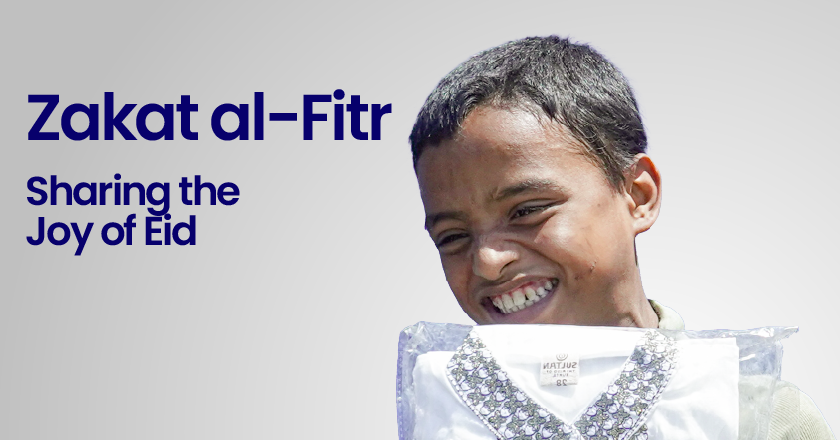
Every self-sufficient Muslim must pay Zakat al-Fitr before the Eid prayer. This is a small, flat-rate donation. In 2026, it is usually around $10 to $15 per person. It provides a meal for those in need on Eid day.
Do not wait until the morning of Eid to pay. While it is allowed, it makes things challenging for charities. They need time to buy and deliver the food. Try to pay for Fitrana during the last ten nights. This approach ensures the most vulnerable families get their groceries in time.
6. Fidya and Kaffarah: When You Cannot Fast
Sometimes, health or age keeps us from fasting. Islam is a religion of ease. It offers a way to stay connected to the month through Ramadan Charity.
- Fidya: Use this if you cannot fast for a permanent reason. This includes old age or chronic illness. You pay to feed one person two meals for every day you miss.
- Kaffarah: Use this payment method if you break a fast on purpose without a good reason. The penalty is feeding 60 poor people.
These payments go toward food. They ensure your inability to fast still helps someone else.
7. The Magic of the Last Ten Nights
We all want to find Laylatul Qadr (the Night of Power). This night is better than a thousand months. If you give a small amount on that night, it is like giving every day for 83 years!
Many people now use “auto-give” tools. These apps split your total donation over the last ten nights. This way, you never miss the reward. Whether you do it yourself or use an app, give something every night. Even a small amount counts on these odd nights.
8. Where Does Your Money Go?
Trust is essential. When you give to the SPAR Project or other groups, you should know where the money goes. In 2026, charities will use “impact reports.” They do more than just take your money. They show you the real results of your help.
Choose charities that help with:
- Gaza Relief: Providing food and medicine to families in crisis.
- Sudan and Yemen: Helping those displaced by war and hunger.
- Water Projects: building solar-powered wells for clean water.
Your Ramadan Charity should create lasting change.
9. Teaching Your Kids to Give
Charity is a habit you should teach early. Ramadan is the best time for this. You can help your children understand the value of helping others.
Try these simple ideas:
- Start a “Sadaqah Jar” and add coins every day.
- Let your kids pick a cause, like “buying toys for orphans.”.
- Volunteer together at a local food bank.
Making giving a family event keeps the spirit of Ramadan alive in the next generation.
10. Digital Giving in 2026
Giving has never been easier than it is today. You do not need to find a physical donation box. You can use mobile apps, QR codes, and online portals to give in seconds.
Be sure to stay safe. Only use secure websites that have “https” in the link. Digital giving also lets you track your donations for tax purposes. It is a simple way to manage your spiritual and financial life at the same time.
Final Thought
As the sun sets each day, remember that your wealth does not shrink when you give. The word “Zakat” actually means to “increase” and “purify”. Your Ramadan Charity is an investment in your future. It is also a lifeline for someone who is suffering right now. Whether you give a large Zakat payment or a small daily gift, give with a sincere heart. May Allah (SWT) accept your efforts and bless you this Ramadan.