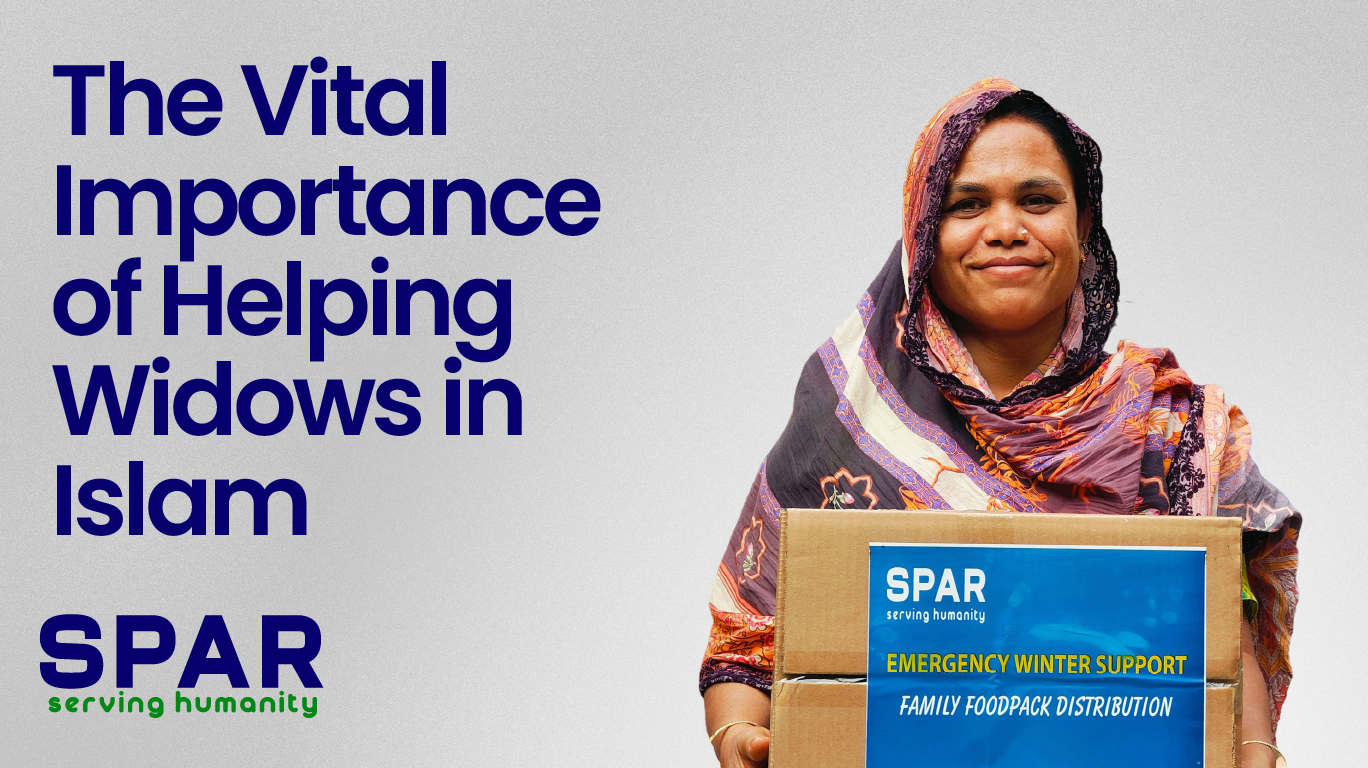
The Vital Importance of Helping Widows in Islam
Helping others is a central part of our faith. Specifically, the importance of helping widows in Islam stands out as a major act of worship. When a woman loses her husband, she often loses her safety net and financial support. Islam teaches us that we must not ignore these sisters. Instead, we must treat them with honor, love, and active care. By supporting a widow, you follow the direct commands of Allah and the beautiful example of our Prophet (PBUH). This simple act of kindness can change a family’s life forever. It also secures your own reward in the next world. Today, we will explore why this duty is so vital for every Muslim.
A Divine Command from Allah
Allah mentions the rights of the vulnerable many times in the Quran. He often pairs the needy with those who have lost their protectors. This shows that caring for a widow is not just a “nice thing to do.” It is a religious obligation. Allah wants a society where no one feels forgotten.
When you help a widow, you are responding to a divine call. You are acting as the hands that provide the Rizq (provision) that Allah has promised. This strengthens your connection with your Creator. It shows that you value what He values. In Islam, a widow’s tears are heavy, and the person who wipes them away gains immense favor.
The Prophet’s (PBUH) Special Care for Widows
Our beloved Prophet Muhammad (PBUH) was the ultimate champion for widows. In the era before Islam, people treated widows very poorly. Some cultures even saw them as bad luck. The Prophet (PBUH) changed everything. He taught that these women are noble and deserving of the highest respect.
He did not just give speeches about the importance of helping widows in Islam. He took action. Most of his wives were widows. By marrying them, he provided them with a home, a family, and a high status in the community. He showed the Sahaba that a widow should be at the heart of the Ummah, not on the sidelines.
The Reward of a Warrior and a Worshiper
The rewards for this specific type of charity are mind-blowing. The Prophet (PBUH) said that the person who helps a widow and the poor is like a Mujahid. This means they get the reward of someone fighting in the path of Allah.
He also said they are like someone who fasts all day and prays all night without stopping. Think about that for a second. You can reach the highest levels of spirituality just by making sure a widow in your neighborhood has food. You don’t have to be a scholar to earn these rewards. You just need a sincere heart and a helping hand.
Protecting the Dignity of Our Sisters
Poverty can be very cruel. It often forces people to do things they don’t want to do. A widow without support might feel forced to beg. She might feel humiliated by her situation. Islam places a huge value on Izzah (dignity).
When we provide for a widow, we do it in a way that keeps her head held high. We don’t make her feel like a burden. We give because it is her right. This protection of dignity is a key part of Islamic social justice. We want our sisters to feel empowered, safe, and respected in their own homes.
The Link Between Widows and Orphans
In most cases, where there is a widow, there are also orphans. These children have lost their father, their protector, and their role model. When you support a widow, you are indirectly supporting these children, too.
The Prophet (PBUH) famously said that he and the one who cares for an orphan will be together in Paradise like two fingers. By helping the mother, you ensure the children stay in school. You ensure they eat healthy food. You give them a chance at a bright future. This creates a double reward for the donor.
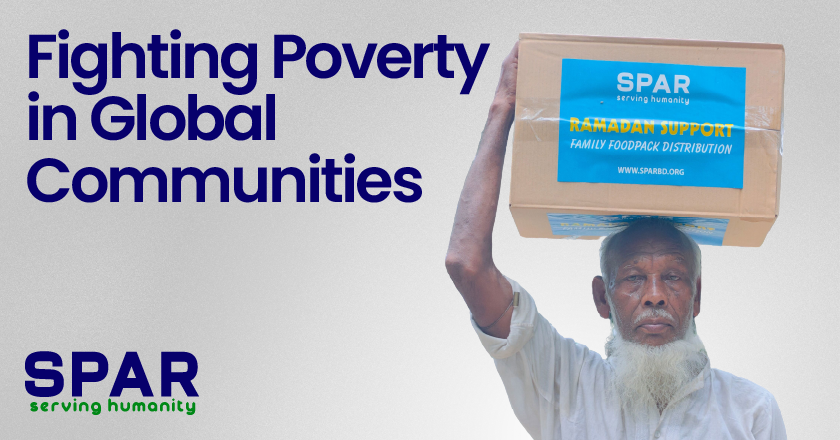
Fighting Poverty in Global Communities
In many parts of the world, like rural Bangladesh, being a widow is extremely difficult. There is often no government help. If a woman does not have grown sons, she may have no income at all. This leads to a cycle of hunger and sickness.
The importance of helping widows in Islam becomes very clear in these settings. Your Sadaqah can buy a sewing machine. It can buy a cow or a few goats. This gives the widow a way to earn her own money. It moves her from being a receiver of charity to being a small business owner. This is the best kind of help.
The Psychological Impact of Loss
Losing a husband is a massive trauma. It brings a deep sense of loneliness. Many widows feel that the world has moved on without them. They feel invisible. Islamic teachings encourage us to provide emotional support, not just money.
Visiting a widow and checking on her well-being is a Sunnah. Asking if her children need anything for school shows you care. This social connection prevents depression. It reminds her that she is still a valuable part of the Muslim family. We are one body; when one part hurts, the whole body should feel it.
Financial Rights and Inheritance
Islam gave women financial rights over 1,400 years ago. A widow has a guaranteed share of her husband’s wealth. No one can legally take this from her. This law ensures she is not left penniless.
However, in many places, people ignore these laws. As Muslims, we must advocate for these rights. We must make sure widows receive what Allah has decreed for them. Beyond inheritance, the community must step in if the inheritance is not enough to cover her needs. This is where Zakat becomes a literal lifesaver.
Why Zakat is a Tool for Empowerment
Zakat is not just a tax. It is a tool for social change. When we calculate our Zakat and give it to widows, we are redistributing wealth to where it is needed most. This prevents the rich from getting richer while the poor suffer.
A widow can use Zakat to pay off debts. She can use it to fix a leaking roof. She can use it to pay for a life-saving surgery. Zakat provides a safety net that keeps the Ummah strong. It ensures that the loss of a husband does not mean the end of a family’s security.
Education: A Gift for the Next Generation
When a father dies, education is often the first thing the family sacrifices. The mother needs the children to work to help buy food. This is a tragedy. It traps the family in poverty for generations.
By helping a widow, you allow her children to stay in school. You pay for their books, their uniforms, and their fees. This is a form of Sadaqah Jariyah. Every time that child uses their education to do good or earn a living, you get a share of that reward. You are literally building the future of the Ummah.
The Role of the SPAR Project in Bangladesh
The SPAR Project focuses on the most vulnerable people in Bangladesh. They know that widows are often at the bottom of the social ladder. They work tirelessly to find these women and provide direct aid.
What makes this project special is the focus on the “Miskeen” (the extremely needy). They don’t just give a one-time gift. They look for long-term solutions. Whether it’s providing clean water, food packs, or housing, they follow the Islamic principles of care and excellence.
Understanding the 100% Donation Policy
Many people worry about where their money goes. They fear that most of it goes to office rent or staff salaries. The SPAR Project operates with a 100% donation policy. This means every single dollar you donate goes to the cause.
If you give $50 to help a widow, that full $50 reaches her. This transparency is vital. It honors the trust of the donor and the needs of the recipient. When you know your full donation is working on the ground, you can give with a happy and confident heart.
Livelihood Projects: Building Independence
Giving a meal is good, but giving a job is better. Many Islamic charities now focus on livelihood projects for widows. For example, providing a sewing machine allows a woman to work from home. She can earn a living while still being there for her children.
Other projects include giving small shops or livestock. This creates a sustainable income. The widow no longer has to worry about where the next meal comes from. She becomes a provider herself. This is the ultimate goal of Islamic charity: to make the receiver independent.
The Importance of the Iddah Period
Islam respects the grief of a widow. The Iddah period (four months and ten days) is a time for her to mourn and adjust. During this time, the community should be extra careful to support her.
She should not have to worry about bills or food while she is grieving. Relatives and neighbors should bring meals and handle her errands. This is a beautiful example of how Islam organizes social support. We don’t leave a grieving person to struggle alone.
How to Start Helping Today
You don’t have to wait for a special occasion to help. You can start small.
- Look around you: Is there a widow in your family or building? Start there.
- Set up a recurring donation: Even $10 a month can provide regular food for a family.
- Teach your children: Show them the importance of helping widows in Islam.
- Volunteer your time: Help a widow with her paperwork or home repairs.
Every action counts in the eyes of Allah.
The Spiritual Cleansing of Charity
Giving charity doesn’t just help the receiver; it heals the giver. The Prophet (PBUH) said that charity extinguishes sin like water extinguishes fire. If you feel stressed or spiritually low, try giving to a widow.
The Dua (prayer) of a widow is very powerful. When she makes a sincere Dua for you because you eased her burden, Allah listens. This can bring Barakah into your health, your family, and your business. It is a win-win situation for both worlds.
Final Thought
The importance of helping widows in Islam is a core part of our identity as Muslims. We follow a Prophet who cared for the lonely and the broken. We serve a Lord who sees every small act of kindness. When we support a widow, we are not doing her a favor. We are fulfilling her right upon us. Let us be the reason a widowed sister feels safe and a fatherless child feels loved. Through the SPAR Project and your own local efforts, you can build a legacy of compassion that lasts forever.