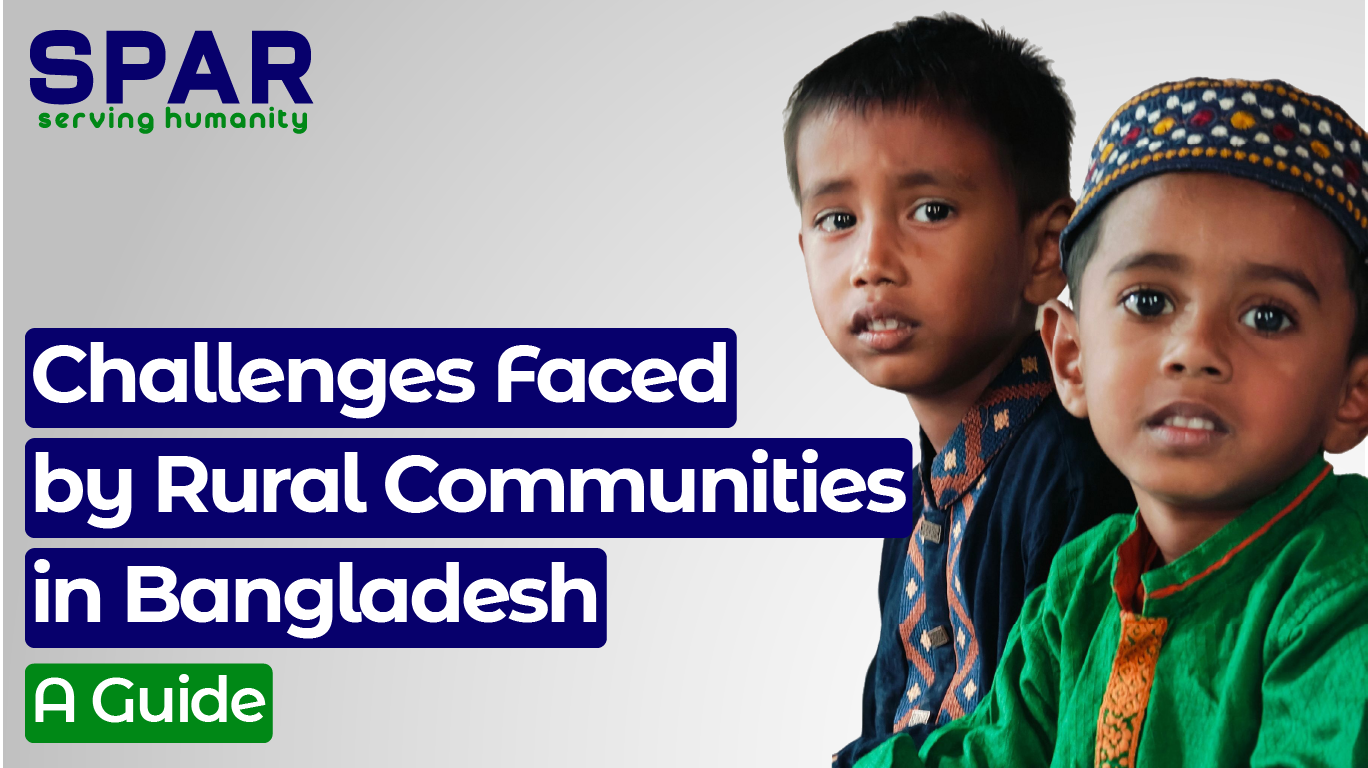
Challenges Faced by Rural Communities in Bangladesh: A Guide
Bangladesh is a land of green fields and many rivers. Millions of people live in small, quiet villages. These people work hard every day. However, they deal with many problems that people in cities do not see. Understanding the challenges faced by rural communities in bangladesh is vital if we want to help. While big cities grow fast, villages often stay behind. Families there struggle to find clean water, good doctors, and safe schools. Every year, floods and storms threaten their homes. These issues make it hard for people to leave poverty behind. This article looks at the hurdles these communities must jump over. By talking about these problems, we raise awareness and find real solutions. Let’s look at the reality of village life and how we can bring hope to these families.
Why Geography Matters in Rural Villages
Bangladesh sits on a massive river delta. This means the land is very low and flat. The soil is great for farming, but the water is also a danger. Most villages sit right next to a river or a stream. This geography shapes everything about daily life.
People in these areas are very brave. They live in a place that changes with the seasons. A river that gives them fish can also take their house away. This physical environment is one of the main challenges faced by rural communities in bangladesh. It dictates how they build their homes and how they travel to work.
1. The Constant Threat of Annual Floods
In rural Bangladesh, the rain is not always a blessing. Every year, the monsoon brings heavy rain and rising waters. These floods often cover the fields for weeks. When the water rises, it kills the rice and drowns the animals. For a poor family, losing one cow is a disaster.
People must move their belongings to higher ground. Sometimes, they live on their roofs until the water goes down. This cycle of flooding stops people from saving money. They spend their life rebuilding what the water destroyed. It is a constant fight against nature just to stay in one place.
2. River Erosion: The Silent Land Thief
Rivers in Bangladesh are powerful and move quickly. During the rainy season, the water eats away at the dirt banks. This is called river erosion. Entire villages can fall into the water in a few days.
When a family loses their land, they lose everything. They cannot farm, and they have no place to sleep. Many of these families move to city slums because they have no other choice. They become refugees in their own country. River erosion is a quiet thief that robs thousands of people of their future every year.
3. Lack of Quality Healthcare Nearby
If you get sick in a big city, a doctor is just a short drive away. In a village, the story is different. The nearest clinic might be miles away across muddy paths. Many villages do not have paved roads for cars or ambulances.
This lack of health services is one of the biggest challenges faced by rural communities in bangladesh. Pregnant women often have no help during birth. Children miss their check-ups because the trip is too long. If there is an emergency, the delay can be deadly. Even when they reach a clinic, there is often no medicine or electricity. This leaves rural people very vulnerable.
4. Barriers to a Good Education
Every parent wants their child to learn and grow. However, village schools are often in very bad shape. Some have broken roofs or no clean toilets. There are not enough books for all the students.
Teachers often live far away and struggle to reach the school. During floods, schools must close because the buildings are underwater. Also, many children must leave school early to work on the farm. They need to help their parents earn money for food. This means the next generation stays stuck in low-paying jobs. Without school, they cannot learn the skills needed for better work.
5. The Search for Clean and Safe Water
Water is everywhere in Bangladesh, but you cannot always drink it. Many wells in the villages contain arsenic. Arsenic is a poison that comes from the ground. Drinking it for a long time causes serious skin diseases and cancer.
Also, many homes do not have safe toilets. Waste goes into the same water that people use for washing. This spreads germs very quickly. Diseases like diarrhea and cholera make children very sick. Providing clean, safe water is a huge task. It requires deep wells and filters that many families cannot afford on their own.
6. High Unemployment and Unfair Wages
Most people in villages earn money through farming. However, farming only provides work during certain times of the year. During the “off-season,” there are no jobs. This leads to months of hunger for many families.
Because so many people need work, the pay is very low. A man might work all day in the sun and only earn enough for a few meals. This lack of job variety is a major part of the challenges faced by rural communities in bangladesh. Young men often leave the village to find work in the city. This breaks families apart and leaves the elderly to do all the heavy work at home.
7. Roads and Bridges That Need Fixing
A village without a good road is like an island. Many rural areas only have dirt paths. When it rains, these paths turn into deep mud. People cannot move their crops to the market to sell them. Ambulances cannot reach the sick.
Also, many villages lack bridges over small streams. People must use small, shaky boats to cross the water. This makes every trip slow and dangerous. Without electricity, it is hard for small shops to stay open at night. Children cannot study after the sun goes down. Poor buildings and roads keep these communities isolated from the rest of the world.
8. Saltwater Problems in the South
In the southern parts of the country, the ocean is a problem. Rising sea levels push saltwater into the land. This is called salinity. Saltwater kills rice plants and makes the soil useless.
Farmers in these areas can no longer grow food like they used to. Even the water they drink is becoming salty. This causes high blood pressure and other health issues. Many people are trying to farm shrimp instead, but this creates fewer jobs. Saltwater is changing the land and making it harder for people to survive in the coastal villages.
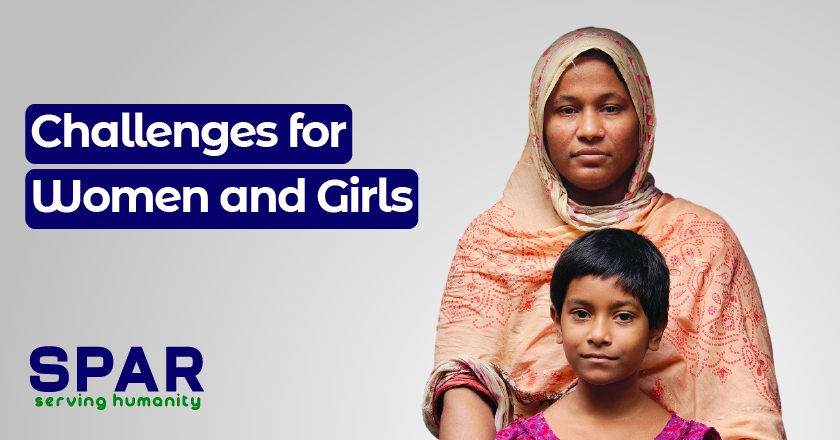
9. Challenges for Women and Girls
Women in rural areas work very hard. They cook, clean, and help in the fields. However, they often have no say in how the family spends money. They also have less access to school and doctors.
In many villages, girls are married while they are still very young. This stops their education and puts their health in danger. When women are not empowered, the whole village stays poor. If a woman has her own income, she spends it on her children’s needs. Helping women gain skills is a key part of fixing the problems in rural Bangladesh.
10. The Digital Divide: No Internet Access
The modern world lives online. People use the internet to find jobs, learn new things, and get help. But in many villages, there is no fast internet. Many people do not have computers or smart devices.
This “digital divide” means rural youth cannot compete with city kids. They do not know how to use digital tools that are common in offices. They miss out on online classes and job news. In 2026, being online is a basic need. Without it, rural communities will always be one step behind the rest of the country.
11. Climate Change and Food Prices
The weather is changing all over the world. In Bangladesh, the rains are coming at the wrong times. The summers are getting much hotter. These changes confuse farmers. They do not know when to plant their seeds.
When the crops fail, there is less food in the market. This makes the price of food go up. Poor families are the first to suffer. They eat less or buy cheaper, less healthy food. This leads to poor health for the children. Food security is one of the most urgent challenges faced by rural communities in bangladesh. It requires new ways of farming and more support for the poor.
12. The High Cost of Farming Supplies
To grow food, farmers need seeds and fertilizer. They also need fuel for their water pumps. The price of these things goes up every year. Most village farmers do not have much cash. They must borrow money to buy what they need.
If a storm destroys their crops, they cannot pay the money back. This leads to a mountain of debt. Some farmers have to sell their land just to pay the lenders. Losing their land is a tragedy. It turns a proud farmer into a poor laborer with no home. The high cost of farming is a heavy burden for rural families.
Final Thoughts: Building a Path Forward
The challenges faced by rural communities in bangladesh are very serious. However, the people in these villages are some of the strongest people on earth. They face floods, sickness, and poverty with a smile. But they cannot fix everything alone. They need our help to build better roads, schools, and hospitals. Organizations like the SPAR Project work hard every day to bring these things to the villages. By supporting this work, we can help turn a cycle of struggle into a cycle of success. Every child deserves a chance to learn, and every family deserves a safe home. Let’s work together to make a difference in rural Bangladesh.