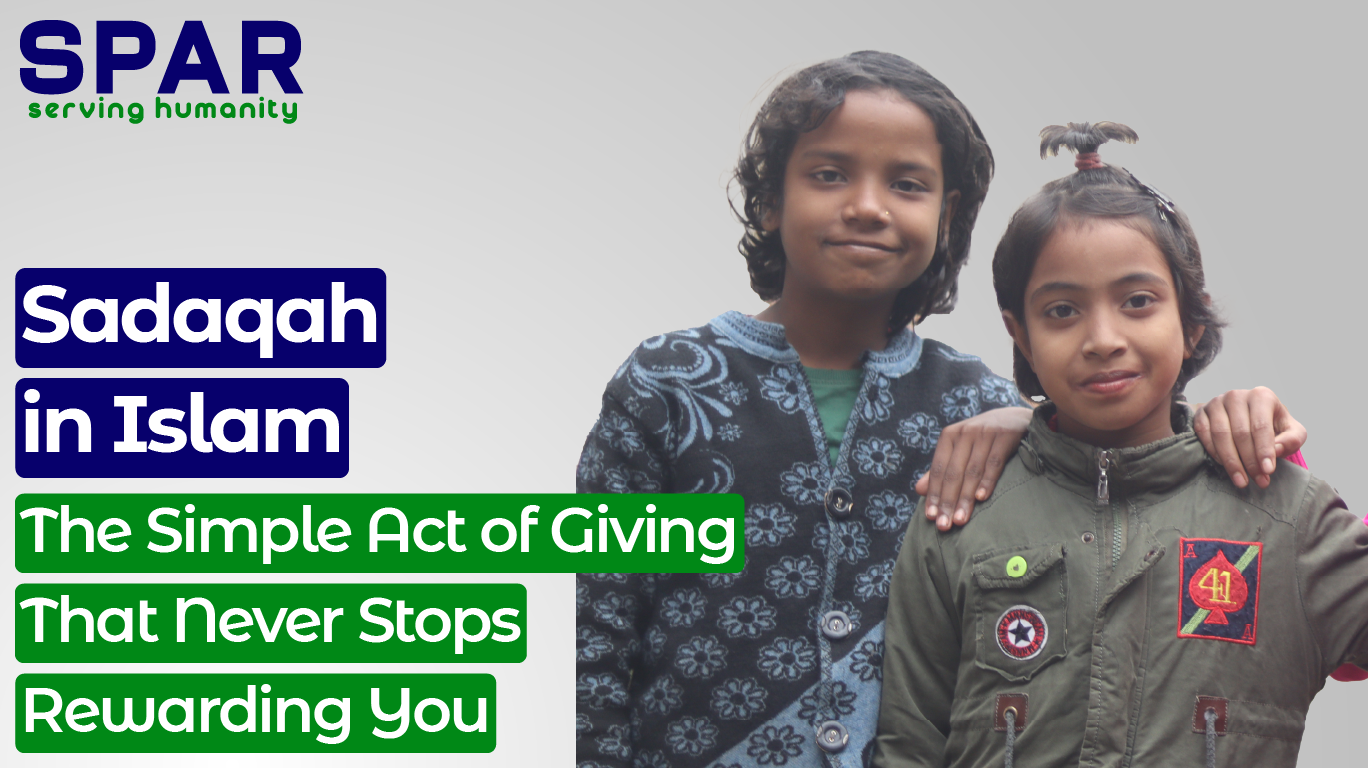
Sadaqah in Islam: The Simple Act of Giving That Never Stops Rewarding You
What if a single act of kindness today could still earn you a reward after you die? That is the power of sadaqah in Islam. It is one of the most beloved deeds in our faith—and one of the most misunderstood. Many Muslims think sadaqah is only about money. Others think it only counts if the amount is large. Neither is true. In this article, you will learn exactly what sadaqah means, why Allah loves it so much, and how you can start giving in ways that carry real, lasting weight—in this life and the next.
What Is Sadaqah in Islam?
Sadaqah comes from the Arabic root *”sidq,” meaning truthfulness. When you give sadaqah, you are not just handing something over. You are proving your belief is real. Your giving is a sign of honest faith.
In Islamic law, sadaqah refers to any voluntary act of charity or goodness given for the sake of Allah alone. It sits alongside zakat—but it is different. Zakat is obligatory and has fixed rules. Sadaqah is free. You give what you want, when you want, however you want.
And the scope is wide. The Prophet Muhammad ﷺ said: *”Every act of goodness is sadaqah.”* (Sahih al-Bukhari). A smile, a kind word, removing a stone from the path—these all count. So does giving money to feed the hungry, digging a well, or sponsoring an orphan child through a trusted organization like SPAR Project.
Why Sadaqah in Islam Matters More Than You Think
We live in a world full of distractions. It is easy to delay giving. Easy to think your contribution is too small to matter. But Allah does not measure the way we measure. He looks at sincerity, not size.
The Prophet Muhammad ﷺ told us: *”The believer’s shade on the Day of Resurrection will be his charity.”* (Tirmidhi). On a day when the sun draws near, and there is no shade except Allah’s, your sadaqah will stand between you and the heat of that moment. That is not a small thing. That is everything.
Sadaqah also purifies your wealth. It softens the heart. It protects against calamity. The Prophet Muhammad ﷺ said: *”Give charity without delay, for it stands in the way of calamity.”* (Tirmidhi). When you give, you are not losing something. You are investing it in the safest place that exists — with Allah.
The Different Types of Sadaqah in Islam
Sadaqah is not one thing. It comes in many forms. And every Muslim — regardless of wealth — can give it.
The most well-known type is giving money or food to someone in need. But the Prophet Muhammad ﷺ expanded this far beyond coins and rice. He said, “Every act of goodness is sadaqah.”* (Sahih al-Bukhari). That includes a smile, a kind word, removing harm from a path, and helping someone carry a load.
There is also Sadaqah Jariyah—ongoing charity. This is the type that keeps earning rewards after you die. Digging a water well is the most cited example. When a family in rural Bangladesh drinks clean water from a well you funded, that reward flows to you. Even while you sleep. Even after you leave this world.
Then there is Sadaqah al-Fitr — the obligatory charity given at the end of Ramadan. This is a separate category, though people often call it sadaqah. Understanding the difference helps you plan your giving intentionally.
What Islam Says About the Reward of Sadaqah
Allah does not leave a generous act unrecorded. He promises a return that no investment on earth can match.
Allah says in the Quran: *”Who is it that would loan Allah a goodly loan so He may multiply it for him many times over?”* (Quran 2:245). This is a direct promise. Allah multiplies what you give. He does not simply return it—he increases it.
The Prophet Muhammad ﷺ described this multiplication with a vivid image: *”The likeness of those who spend their wealth in the way of Allah is as the likeness of a grain of corn; it grows seven ears, and each ear has a hundred grains.”* (Sahih al-Bukhari). A single act of giving, multiplied seven hundred times. For Sadaqah Jariyah, that multiplication never stops.
This is not a metaphor designed to comfort the poor. It is a precise promise from the One who owns everything.
Sadaqah for the Living and the Dead
One of the most beautiful things about sadaqah is that it crosses the barrier of death. You can give on behalf of someone who has passed. And that gift reaches them.
A man came to the Prophet Muhammad ﷺ and said, “My mother has died. Will it benefit her if I give sadaqah on her behalf?”* He ﷺ replied: *”Yes”* (Sahih Muslim). That single word from the Prophet ﷺ has brought comfort to millions of Muslims across fourteen centuries. Your loved one is gone, but your charity still connects you to them.
This is why so many Muslims dig wells, fund schools, or sponsor orphans in the name of a deceased parent. The well keeps giving. The school keeps teaching. The orphan keeps being cared for. And the reward keeps reaching the one you lost.
If you want to give sadaqah on behalf of someone you love, SPAR Project accepts dedications for water well projects. A well dug in your mother’s name in Bangladesh will give clean water to families for years. That is a living legacy, not a one-time gift.
How Much Sadaqah Should You Give?
Islam does not fix a minimum for voluntary sadaqah. That is the point. Even the smallest amount counts if it comes from a sincere heart.
The Prophet Muhammad ﷺ said, “Protect yourself from the Fire, even with half a date.”* (Sahih al-Bukhari). Half a date. That was the smallest thing he could name to make the point: no amount is too small for Allah to accept and multiply. The person who gives £5 with full sincerity may earn more than someone who gives £500 while showing off.
At the same time, Islam encourages generosity. The companions of the Prophet ﷺ gave away entire fortunes. The goal is to give more as you grow, not to stay comfortable at the minimum. A good practice is to set a regular amount — weekly or monthly — so giving becomes a habit rather than a reaction.
Start where you are. Increase as much as you can. The important thing is to begin.
The Best Forms of Sadaqah Jariyah Today
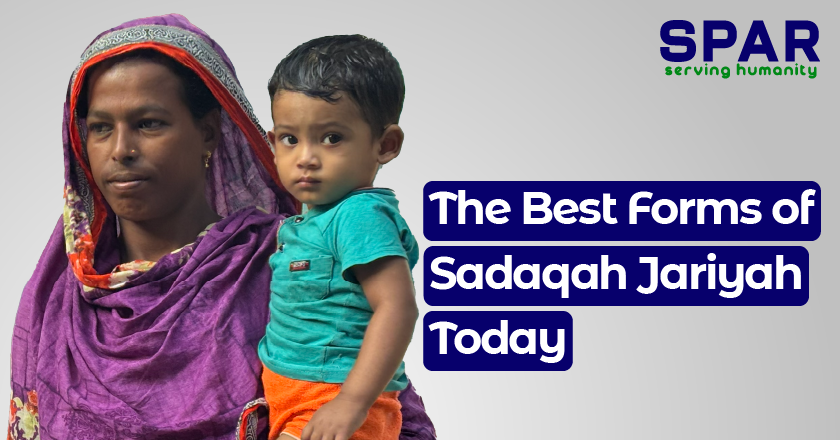
If you want your charity to outlast your life
How to Give Sadaqah the Right Way
- Make your intention clear.
Before you give anything, set your niyyah. Say in your heart—or aloud—that you are giving this for the sake of Allah alone.
- Give from what you actually love.
Allah says in the Quran: *”You will never attain righteousness until you spend from what you love.”* (Surah Aal Imran 3:92). Don’t wait to give what is left over. Give something that costs you something.
- Choose a cause that creates lasting benefit.
A meal feeds someone once. A water well feeds a village for decades. Where possible, direct your sadaqah toward sadaqah jariyah — charity that keeps working after you give it.
- Give regularly, not just in Ramadan.
The Prophet Muhammad ﷺ said: *”The most beloved deed to Allah is the most consistent, even if it is small.”* (Sahih al-Bukhari). Set a monthly amount. Automate it if you can. Consistency beats occasional generosity every time.
- Keep it between you and Allah.
Don’t announce your giving on social media. Don’t drop it into conversation. Let Allah be your witness. The reward of secret sadaqah is far greater than public charity given for praise.
Mistakes to Avoid
Delaying until you feel “ready.” There is no perfect time to give. Shaytan whispers that you need more money first. He is lying.
Invalidating your sadaqah with reminders. The Quran warns that following charity with hurtful reminders destroys its reward entirely (Surah al-Baqarah 2:264). Give, then let go.
Giving only to feel good. Sadaqah is worship, not therapy. Check your intention — are you giving to earn Allah’s pleasure, or to ease your own guilt?
Ignoring local and ongoing needs. Big disasters get attention. Quiet, chronic poverty — villages with no clean water, orphans with no school fees — often goes unseen. Look for causes that work quietly and consistently.
Choosing organisations you haven’t checked. Not every charity uses your money well. Look for registration, transparency reports, and real on-the-ground work before you give.
Why Give Through SPAR Project
SPAR Project (Society for Participatory Action and Reflection) has been working in Bangladesh since 2009. It is fully registered with the Bangladesh NGO Affairs Bureau (Reg. No. 2424). Every donation goes directly to people living in real, documented need.
Here is where your sadaqah goes:
Clean water wells for villages with no safe water source — over 250 wells already installed across Bangladesh, each one a sadaqah jariyah that serves hundreds of people every single day.
Orphan sponsorship covering food, school, clothing, and healthcare — giving a child stability when they have lost everything.
Education programs for children whose families cannot pay school fees—because knowledge breaks cycles that poverty tries to keep in place.
Healthcare and emergency relief for the most vulnerable families — from flood-hit communities to mothers who cannot afford basic medical care.
Give your sadaqah through SPAR Project today → sparproject.org
SPAR publishes its work openly. You can see the wells. You can see the children. You can see the communities your money reaches. That is not a promise — it is a track record built over fifteen years of quiet, consistent service.
Final Thoughts
Sadaqah in Islam is not just a good deed. It is a direct conversation between you and Allah. Every coin you give in His name, He sees. Every thirsty person who drinks from a well you funded—Allah records that for you. It keeps earning rewards while you sleep, while you are busy, and even after you die.
You do not need to be wealthy. You do not need to wait for Ramadan. You need only a sincere heart and the decision to act. The Prophet Muhammad ﷺ told us that even a smile is sadaqah. Imagine what a water well is worth — used by a whole village, every single day, for the next thirty years.
That is the power of sadaqah. And it starts with one small step today.