Animal Sacrifice in Islam: Your Guide to Qurbani Success
Every year, millions of believers take part in animal sacrifice in Islam. This sacred act honors the devotion of Prophet Ibrahim (AS) and serves as a pillar of the Eid al-Adha celebration. When you perform animal sacrifice in Islam, you do more than fulfill a religious duty. You provide high-quality food to families who struggle with hunger. This guide explores the deep meaning, strict rules, and life-changing impact of this tradition. We will help you understand how to choose the right animal and how your donation through SPAR Project makes a difference. By the end of this article, you will know exactly how to manage your sacrifice with total confidence and earn the greatest rewards.
What is Animal Sacrifice in Islam?
In the Islamic tradition, we call this act Qurbani or Udhiyah. It refers to the slaughter of a specific animal during the days of Eid al-Adha. We do this to please Allah and show our gratitude for His many blessings. The word “Qurbani” comes from the root word “Qurban,” which means to get close. Therefore, the primary goal of this sacrifice is to bring the believer closer to their Creator. It is a time for self-reflection and deep spiritual growth.
The Story of Prophet Ibrahim (AS)
The history of animal sacrifice in Islam starts with a powerful story of faith. Allah tested Prophet Ibrahim (AS) by asking him to sacrifice his beloved son, Ismail (AS). Ibrahim (AS) loved his son dearly. However, his love for Allah was even stronger. He agreed to follow the command. At the final moment, Allah replaced Ismail (AS) with a large ram. This showed that the test was about Ibrahim’s heart, not the loss of a child. Today, we sacrifice animals to remember this incredible level of submission.
Why We Sacrifice Animals Today
We continue this tradition for several reasons. First, it is an act of worship. It follows the Sunnah of our beloved Prophet Muhammad (peace be upon him). Second, it teaches us the value of giving. We give up our money and resources to help others. Third, it builds community. The meat from the sacrifice feeds the poor and brings people together. It reminds us that we are one global family (Ummah). When one person eats, we all feel the joy of the feast.
Who Must Perform the Sacrifice?
Most scholars agree that Qurbani is mandatory for certain people. You must perform it if you are a sane, adult Muslim with enough wealth. We measure this wealth using the “Nisab” threshold. This is the same limit used for Zakat. If you own wealth beyond your basic needs, you should give a sacrifice. Each eligible member of a family should provide their own share. This ensures that everyone contributes to the welfare of the poor according to their means.
Choosing the Right Animal
Not every animal qualifies for animal sacrifice in Islam. There are very specific rules to follow. You can choose a sheep, goat, cow, buffalo, or camel. Each animal has a minimum age requirement:
- Goats and Sheep: At least one year old.
- Cows and Buffalo: At least two years old.
- Camels: At least five years old.
The animal must also be healthy. It cannot be blind, lame, or very thin. It should look strong and well-fed. When you give to Allah, you must give your best. Buying a weak or sick animal is not acceptable for this holy ritual.
Understanding the Share System
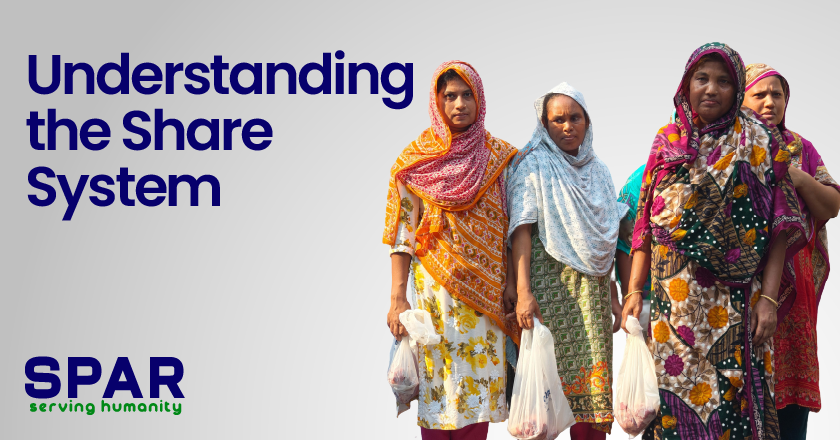
You do not always have to buy a whole animal yourself. Larger animals like cows and camels have seven shares. This means seven people can split the cost of one cow. Each person gets one-seventh of the meat to distribute. Smaller animals like goats and sheep only have one share. One person must buy the whole goat. This system makes it easy for families or friends to join together and fulfill their duty. It also makes the process more affordable for those on a tight budget.
The Important Timing of Qurbani
Timing is everything when it comes to your sacrifice. You must perform the slaughter during the days of Tashreeq. This starts after the Eid al-Adha prayer on the 10th of Dhul Hijjah. It ends at sunset on the 12th or 13th of Dhul Hijjah. If you slaughter the animal before the Eid prayer, it is not considered Qurbani. It is just a regular gift of meat. To get the full reward, you must wait for the proper time. Most people try to do it as early as possible on the first day.
Ethical Treatment and Halal Slaughter
Islam cares deeply about animal welfare. Even during sacrifice, we must show mercy. The Prophet (peace be upon him) taught us to sharpen our knives well. This ensures a quick and painless death. We should never show the knife to the animal. We should not slaughter one animal in front of another. The person performing the act must say “Bismillah, Allahu Akbar.” This acknowledges that the life belongs to Allah. We take the life only with His permission and for a noble cause.
The Three Pillars of Meat Distribution
Once the sacrifice is complete, you must divide the meat. The traditional rule is to split it into three equal parts:
- Your Family: One-third stays with you to enjoy a festive meal.
- Friends and Neighbors: One-third goes to people you know to build social bonds.
- The Poor: One-third goes to the needy who cannot afford meat.
However, if you live in a wealthy area, you can donate the entire animal. Many people send their whole sacrifice to poor countries through SPAR Project. This ensures the meat goes where the need is greatest.
The Massive Reward for Every Hair
The spiritual benefits of animal sacrifice in Islam are huge. The Prophet (peace be upon him) said that there is a reward for every single hair on the animal’s hide. Imagine the millions of rewards waiting for you. But the reward is not just for the hereafter. Giving charity also brings Barakah (blessing) into your current life. It protects you from calamities and purifies your wealth. It is a win-win situation for your soul and your bank account.
How SPAR Project Manages Your Sacrifice
Performing a sacrifice in a busy city can be hard. That is why many people trust SPAR Project. We handle everything for you. We find healthy animals from local farmers in poor regions. Our teams perform the slaughter according to the highest Halal standards. We then pack the meat and deliver it to families in refugee camps and remote villages. We provide you with updates so you know your sacrifice reached the right people. This takes the stress out of the process for you.
The Impact on Global Hunger
Meat is a luxury for millions of people. Some families only eat meat once a year during Eid al-Adha. Your animal sacrifice in Islam provides essential protein and iron. It gives children the nutrients they need to grow strong. It also brings hope to parents who struggle to provide a good meal. When you donate, you aren’t just sending food. You are sending a message that someone cares about them. This creates a sense of dignity and joy across the world.
Common Myths About Animal Sacrifice
There are many wrong ideas about Qurbani. Some think it is only for people who go to Hajj. This is not true. It is for every eligible Muslim, whether they are in Mecca or at home. Others think you can give money instead of an animal. While giving money is good, it does not fulfill the specific duty of Qurbani. The act of shedding blood for Allah is a separate requirement. Finally, some believe you cannot cut your hair or nails before the sacrifice. While this is a recommended Sunnah for the donor, it does not make the sacrifice invalid if you forget.
Teaching the Next Generation
We must involve our children in the process of animal sacrifice in Islam. Tell them the stories of the prophets. Explain why we share our food with the poor. If you are doing it at home, let them see the care we take with the animal. If you are donating online, let them watch the videos of the distribution. This helps them grow up with a heart for charity. It ensures that this beautiful tradition continues for many years to come.
Planning Your Donation Early
Don’t wait until the last minute to book your Qurbani. The demand for healthy animals is very high as Eid approaches. Prices can go up, and stock can run low. By planning early with SPAR Project, you secure a better price. You also ensure that the logistics are in place to reach the most remote areas. Being proactive shows that you take your religious duties seriously. It allows you to enter the days of Eid with a calm and focused mind.
Final Thought: A Journey of Faith and Mercy
The tradition of animal sacrifice in Islam is a beautiful blend of faith and action. It reminds us that our life and our wealth belong to Allah. By giving up a small portion of what we have, we gain so much more in return. We help the hungry, honor the prophets, and clean our own hearts. As Eid al-Adha draws near, make the intention to give your best. Whether you are doing it for yourself or a loved one, your sacrifice is a light in a dark world. Visit SPAR Project today to book your share and start your journey of mercy.