Fitra Zakat Ramadan 2026: The Complete Donor’s Guide
As the holy month of Ramadan draws to a close, Muslims around the world prepare for Eid al-Fitr. This is a time for joy, family, and spiritual reflection. However, before the celebrations begin, every Muslim must fulfill a vital duty. This duty is fitra zakat ramadan. It is a mandatory act of charity that ensures every member of our community can enjoy the blessings of Eid. At SPAR Project, we work tirelessly to make sure your contributions reach those who need them most. Giving your Fitrana is a way to purify your fast and share your wealth. It turns our individual worship into a collective act of mercy. In this guide, we will explain everything you need to know about this obligation. We will cover how to calculate it, when to pay it, and why it matters so much in 2026.
1. What Exactly is Fitra Zakat Ramadan?
Zakat al-Fitr is often called Fitrana. It is a small amount of charity that every Muslim must pay at the end of Ramadan. This gift is different from the yearly Zakat on your savings. While Zakat al-Mal focuses on your wealth, fitra zakat ramadan focuses on your person. It is a tax on the individual soul.
The word “Fitr” means breaking a fast. Therefore, this charity celebrates the completion of the month-long fast. It serves two main goals. First, it helps the poor celebrate Eid without worrying about food. Second, it acts as a spiritual cleanup. It washes away any small mistakes you made while fasting, such as getting angry or using bad language. It is the final “seal” on your month of devotion.
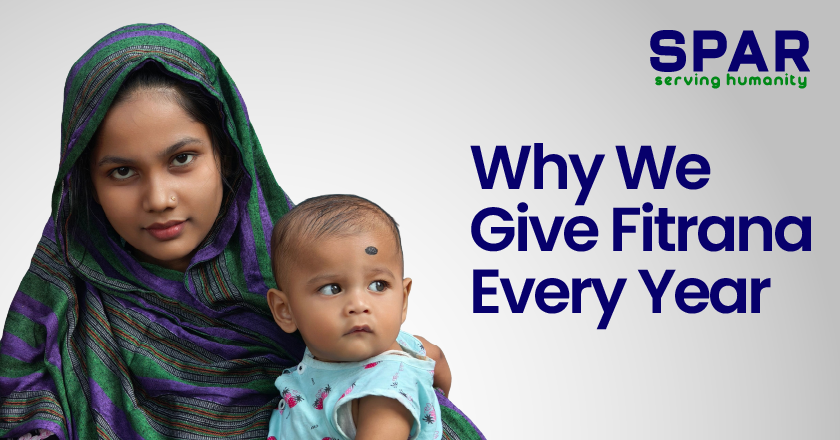
2. Why We Give Fitrana Every Year?
Giving charity is a core pillar of Islam. However, Fitrana has a very specific purpose. The Prophet Muhammad (peace be upon him) made it mandatory so that the poor would not have to beg on the day of Eid. Imagine a family that cannot afford a simple meal while everyone else is feasting. Fitrana prevents this sadness.
When you give fitra zakat ramadan, you create a social safety net. You remind the less fortunate that they are part of a larger family. This act of giving builds a stronger bond between the rich and the poor. It humbles the donor and honors the receiver. In 2026, with many families facing rising food costs, this gift is more important than ever.
3. Who is Required to Pay Fitra?
The rules for Fitrana are very inclusive. Almost every Muslim must pay it. This includes men, women, and children. Even a baby born on the last day of Ramadan must have their Fitrana paid. The only people exempt are those who do not have enough food for one day and night.
Usually, the head of the household pays for everyone. If you are a father, you pay for yourself, your wife, and your children. If you care for elderly parents, you pay for them too. This ensures that every single soul in the community contributes to the welfare of others. It is a beautiful way to show that every life has value in the eyes of Allah.
4. The Core Difference Between Zakat and Fitra
Many people get confused between Zakat al-Mal and fitra zakat ramadan. It is important to know the difference so you can fulfill both correctly.
- Zakat al-Mal: This is 2.5% of your extra wealth and savings. You pay it once your wealth stays above a certain level (Nisab) for a full year.
- Fitra Zakat Ramadan: This is a fixed, small amount. Everyone pays the same amount regardless of how much money they have in the bank. You must pay it specifically during the month of Ramadan before the Eid prayer starts.
Think of Zakat al-Mal as a long-term way to fix poverty. Think of Fitrana as a short-term way to provide a festive meal for the holiday. Both are essential, but they serve different needs.
5. How to Calculate Your Fitra for 2026
In the past, people measured Fitrana using food. They used a measure called a “Sa’.” One Sa’ is about four double-handfuls of grain, like wheat, barley, or rice. Today, most people give money so charities can buy food for those in need.
The cost of fitra zakat ramadan changes based on local food prices. For 2026, the estimated amount is between $10 and $15 per person in most Western countries. You should check with your local mosque or use the SPAR Project online calculator. It is always better to give a little more if you can. Extra charity is never wasted. It only adds to your rewards in the hereafter.
6. Finding the Best Time to Pay
Timing is everything when it comes to Fitrana. You can pay it at any time during the month of Ramadan. Many people like to give it during the last ten nights. They do this to catch the rewards of Laylat al-Qadr (the Night of Power).
However, you must pay it before the Eid al-Fitr prayer begins. If you pay it after the prayer, it does not count as Fitrana. Instead, it becomes a regular charity (Sadaqah). We highly suggest paying a few days early. This gives SPAR Project enough time to buy food and deliver it to families. When you pay early, you ensure a hungry child has a meal waiting for them on Eid morning.
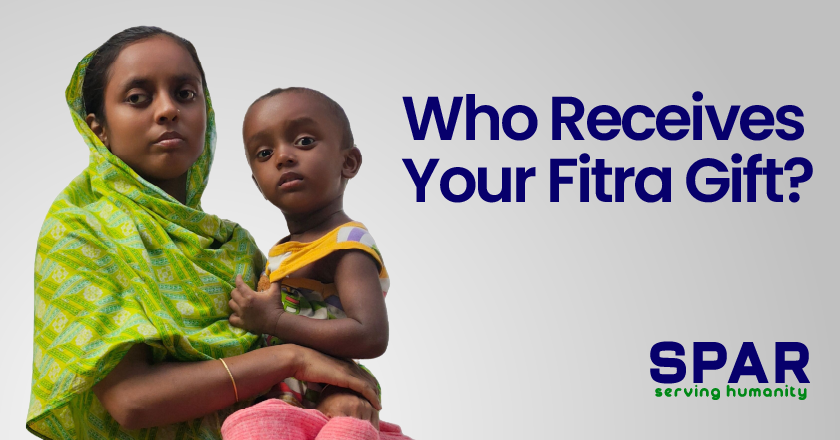
7. Who Receives Your Fitra Gift?
The primary people who receive fitra zakat ramadan are the poor and the needy. This includes widows, orphans, and refugees. These are people who struggle to meet their basic daily needs. Your money goes directly toward providing them with a nutritious meal.
At SPAR Project, we focus on areas where hunger is a major crisis. We work in war zones and regions hit by natural disasters. We make sure your gift reaches the most vulnerable hands. We do not just give them food; we give them a sense of dignity. We let them know that their brothers and sisters across the world have not forgotten them.
8. Can You Pay Fitra in Cash?
This is a common question for many donors. Traditionally, people gave actual bags of grain. Today, our world is different. It is much easier to send money through a website or an app. Most scholars today agree that giving cash is perfectly fine. In fact, it is often better.
Cash allows charities like SPAR Project to buy food locally. This supports local farmers and saves on shipping costs. It also ensures that the food matches the local diet. For example, people in one country might prefer rice, while others prefer wheat. Giving cash makes the process faster and more efficient. Your fitra zakat ramadan can travel across the world in seconds to help someone in need.
9. Why SPAR Project is a Trusted Choice
When you give charity, you want to know it is handled with care. SPAR Project treats every donation as a sacred trust. We have 15 years of experience in managing humanitarian aid. We know how to navigate difficult areas to get the job done.
Our process is simple and transparent. We identify the families in the most need. We buy high-quality food in bulk to save money. Then, our local teams hand-deliver the food packs before the Eid prayer. We provide photos and reports so you can see the impact of your fitra zakat ramadan. When you donate through us, you are not just a donor. You are a partner in our mission to end hunger.
10. The Global Impact of Your Small Donation
You might think $10 or $15 is a small amount. However, when millions of Muslims give together, it becomes a massive force for good. This collective gift can feed entire villages. It can provide enough food to last a family for weeks, not just one day.
Your fitra zakat ramadan helps fight global poverty. It shows that the Islamic system of charity works. It provides a solution to inequality that is built on love and faith. Every year, we see the smiles on the faces of children who receive these meals. Those smiles are the direct result of your kindness. You are turning your faith into action.
11. Common Mistakes to Avoid
To make sure your Fitrana is accepted, keep these tips in mind:
- Don’t Wait Until the Last Minute: Websites can crash, and banks can have delays. Pay a few days before Eid.
- Calculate for Everyone: Do not forget to include guests or elderly relatives living with you.
- Check the Amount: Ensure you are using the 2026 rates, as food prices have gone up.
- Intention (Niyyah): Make the intention in your heart that this is for Zakat al-Fitr.
By avoiding these mistakes, you ensure your fitra zakat ramadan fulfills its religious requirements. You can then enter the Eid celebrations with a clear heart and a peaceful mind.
Final Thoughts on Your Ramadan Journey
Ramadan is a journey of the soul. We spend thirty days fasting, praying, and reading the Quran. We try to become better versions of ourselves. The act of giving Fitrana is the perfect way to conclude this journey. It shifts our focus from our own hunger to the hunger of others.
Your fitra zakat ramadan is a testimony of your faith. It proves that you care about the Ummah. As you prepare for your Eid feast, remember those who are waiting for your help. A small act from you can be a huge blessing for them. Let us make 2026 the year we reach more people than ever before. Visit the SPAR Project website today to complete your payment.