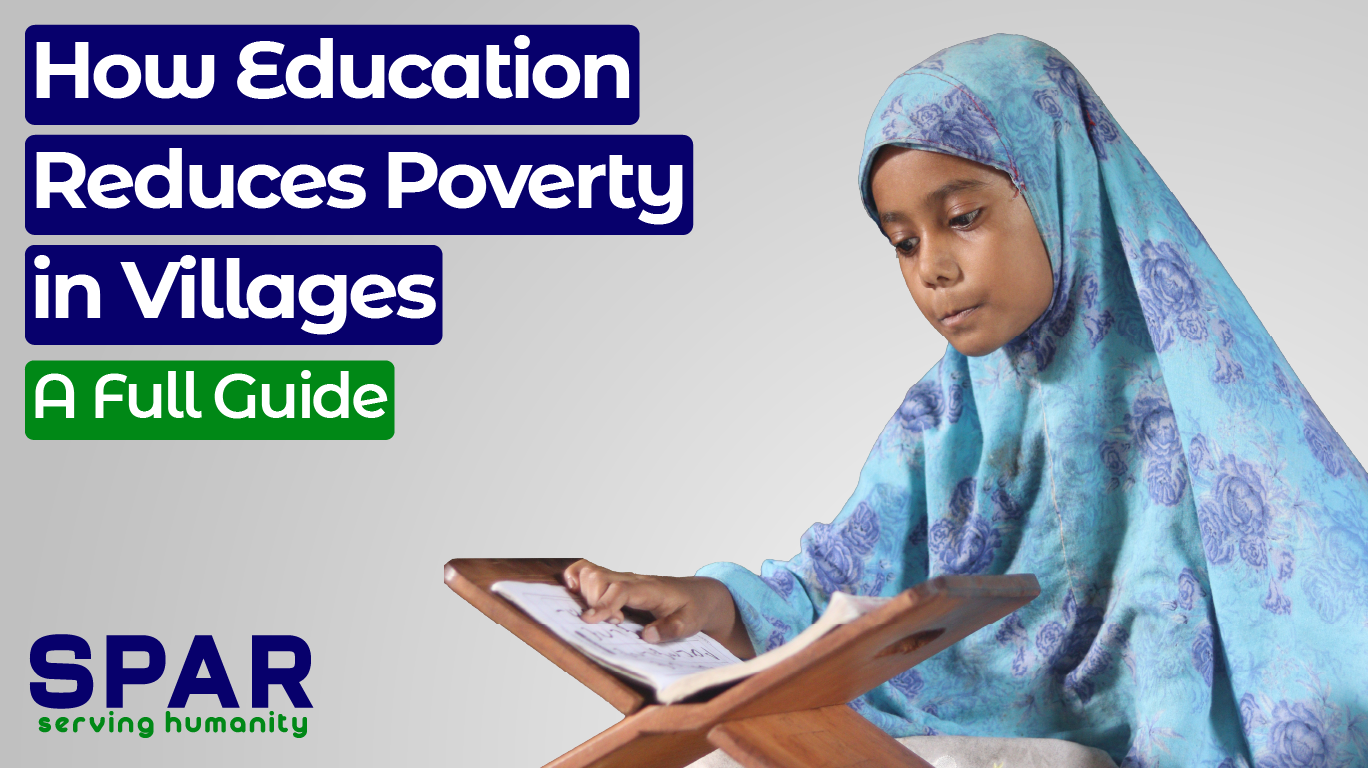
How Education Reduces Poverty in Villages: A Full Guide
Education acts as a powerful engine for change in rural areas. For many families, understanding how education reduces poverty in villages is the first step toward a better life. In small, remote communities, people often lack the tools to escape low-paying work. A local school changes this dynamic instantly. It gives children the skills to read, write, and solve complex problems. These skills allow them to find better jobs and start successful businesses. By bringing learning to the heart of the village, we help people break the chains of debt. This guide explains how knowledge transforms poor areas into thriving neighborhoods. We will look at how schools improve health, boost farming, and create new jobs. Together, we can see why a classroom is the best investment for a village’s future.
The Direct Link Between Knowledge and Income
Education directly increases the amount of money a person can earn. In a village, most people rely on physical labor. This type of work pays very little. However, a person who goes to school gains mental skills. These skills are worth more in the modern economy.
When a young person learns to use a computer or speak a second language, they can work for global companies. They do not have to stay in the fields all day. This higher income flows back into the family. They can buy better food and fix their homes. This is the most basic way we see how education reduces poverty in villages. Education turns a laborer into a professional. This shift raises the standard of living for everyone in the house.
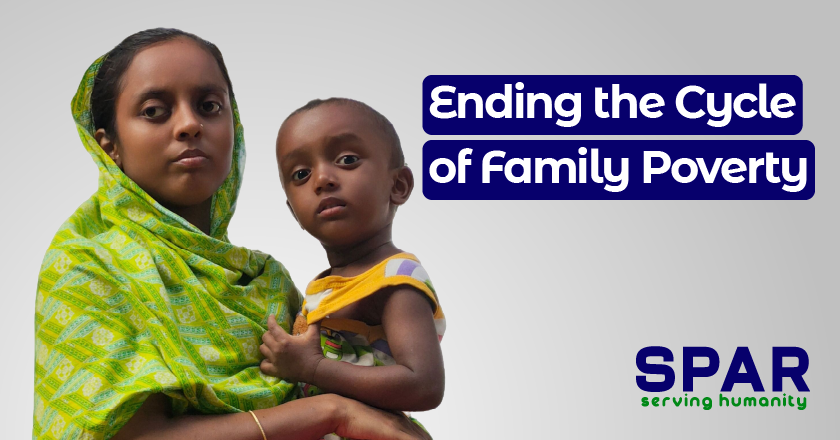
1. Ending the Cycle of Family Poverty
Poverty often travels from one generation to the next. If parents cannot read, they cannot help their children with homework. The children then drop out of school to work. This keeps the family poor forever. Education breaks this cycle by giving the next generation a new path.
When a child finishes high school, they have options that their parents never had. They can move into trade schools or universities. They bring fresh ideas back to the village. These children grow up to be the new leaders and earners. They make sure their own children stay in school too. This creates a permanent upward trend. One educated child can lift an entire family tree out of the mud.
2. Transforming Agriculture Through Better Learning
Many people think that farmers do not need to go to school. This idea is wrong. Farming is a science that requires constant learning. An educated farmer knows how to read soil reports and weather charts. They understand how to use modern tools to grow more food.
In a village, a smarter farmer is a richer farmer. They can calculate exactly how much water their crops need. They know which bugs are helpful and which are harmful. This knowledge leads to bigger harvests. They can sell the extra crops at the market for a profit. Education teaches them how to negotiate for better prices. It also teaches them how to store food so it does not rot. These skills turn a struggle for food into a successful business.
3. The Power of Educating Girls and Women
In many rural areas, people neglect the education of girls. This is a massive mistake for the local economy. Statistics show that educating women is one of the fastest ways to end poverty. An educated woman invests most of her money back into her family.
Educated mothers raise healthier children. They know about basic nutrition and the importance of clean water. Their children are more likely to survive and go to school themselves. Women who can read can also start small home businesses. They might sell clothes, crafts, or garden vegetables. This extra income protects the family during times of crisis. When you educate a girl, you change the future of the entire village.
4. Better Health Through School Lessons
Poor health is a major trap for people in villages. If a father gets sick, he cannot work. The family loses its income and falls deeper into debt. Education helps prevent these health crises before they start. Schools teach children about hygiene, germs, and healthy habits.
Children learn why they must wash their hands and drink clean water. They bring these lessons home to their parents. A village with a school usually has fewer cases of preventable diseases. People stay healthy and can work every day. They spend less money on doctors and medicine. These extra savings help the family build wealth over time. Health and wealth always go hand in hand.
5. Creating New Jobs Through Vocational Training
Not everyone in a village needs to be a farmer. Schools can teach vocational skills that create different types of jobs. This includes carpentry, plumbing, welding, and sewing. When a village has its own skilled workers, it does not have to pay outsiders for help.
These local workers keep money within the community. A plumber earns money by fixing a neighbor’s pipes. He then spends that money at the local grocery store. This creates a circle of wealth that helps everyone. Vocational training also prepares young people for jobs in nearby towns. They can earn high wages and send money back to their village. This diversity makes the village economy much stronger and more stable.
6. Digital Literacy in the Modern World
The internet has changed how we think about remote areas. A person in a small village can now sell products to people in the city. However, they need digital literacy to do this. Education teaches people how to use smartphones, apps, and websites.
With a little bit of training, a village artisan can sell their work online. They can check the fair market price for their grain. They can even take online classes to learn new skills. This connects the village to the global economy. It removes the barrier of distance. Digital literacy ensures that rural people are not left behind in the 21st century. It is a vital part of how education reduces poverty in villages today.
7. Learning Financial Skills and Saving Money
Escaping poverty requires good money management. Many villagers earn a lot of money during the harvest but spend it all too quickly. Education teaches people how to budget and save for the future. It explains how banks and interest rates work.
When people understand finance, they can avoid predatory lenders. These lenders often charge high interest rates that keep families in debt for years. An educated person knows how to find fair loans. They also learn how to invest their savings into things that grow, like livestock or new equipment. Financial literacy gives people control over their hard-earned money. It turns a “paycheck-to-paycheck” life into a secure future.
8. Developing Strong Local Leaders
Villages need people who can speak up for their rights. Education gives people the confidence to lead. It teaches them how to organize meetings and talk to government officials. An educated community is much harder to ignore.
Strong leaders can ask for better roads, electricity, and clean water systems. They make sure that government funds reach the people who need them. They can write grants and find partners for local projects. When a village has educated voices, it gets the resources it deserves. This leadership leads to better infrastructure, which makes life easier and cheaper for everyone. Good schools produce the leaders of tomorrow.
9. Reducing Risks During Natural Disasters
Life in a village is often at the mercy of nature. Floods, droughts, and storms can destroy a year of work in one day. Education helps people prepare for these risks. It teaches them about climate change and disaster safety.
An educated community knows how to build stronger houses. They know how to store emergency food and water. They can read weather warnings and move to safety before a storm hits. This resilience is a key part of staying out of poverty. It means that one bad event does not have to result in total ruin. Education gives people the mental tools to survive and recover from hard times.
10. Building a Culture of Lifelong Learning
The benefits of a school do not stop when the final bell rings. A school creates a culture of curiosity in the village. Adults see their children learning and want to learn too. Many schools offer night classes for parents.
This culture of learning keeps the village moving forward. People remain open to new ideas and better ways of doing things. They become more creative and better at solving local problems. When a community values education, it becomes a place of progress. This mindset is the ultimate weapon against poverty. It ensures that the village will keep growing and improving for many years to come.
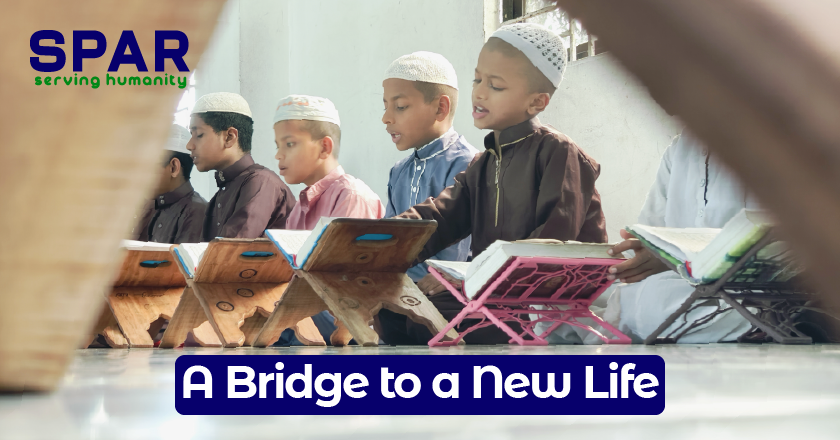
Final Thought: A Bridge to a New Life
Education is the bridge that carries a village from struggle to success. It is not just about reading books; it is about opening doors. When we support rural schools, we give people the power to change their own destiny. The long term impact of charity on communities starts in the classroom. By investing in teachers and students, we create a world where every village can thrive. Let us work together to make sure every child has a desk and every mind has a chance.