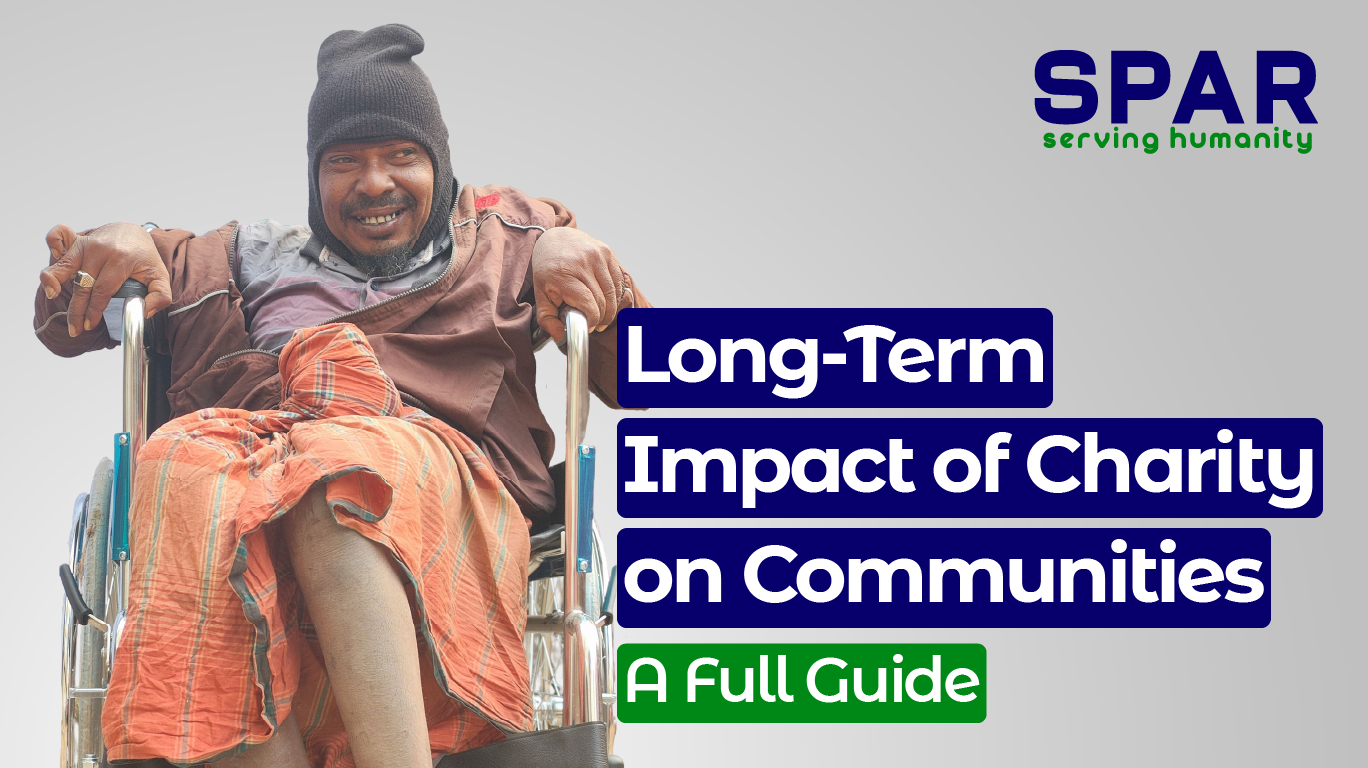
Long-Term Impact of Charity on Communities: A Full Guide
Giving money to help others is a kind act. However, smart donors want to see more than just a quick fix. They want to see how their money changes lives forever. The long term impact of charity on communities proves that strategic giving can end the cycle of poverty. When we look at the data, we see that modern charity does more than provide food for a day. It builds schools, provides clean water, and creates jobs. This analytical approach ensures that every dollar spent helps a community stand on its own feet. By focusing on lasting change, we move away from temporary aid and toward true independence. This article explores how deep-rooted support transforms society and ensures a brighter future for the next generation.
Why Sustainable Giving Changes the World
True charity works like a seed. You plant it once, but it grows for years. In the non-profit sector, we call this “sustainable development.” We do not just want to stop hunger today. We want to make sure the community can grow its own food tomorrow. This shift in thinking is vital. When donors understand the long term impact of charity on communities, they choose projects that last.
These projects focus on the “root causes” of problems. For example, if people are sick, we don’t just give them medicine. We build a clean water system so they never get sick from dirty water again. This saves lives and money over many years. It is a smarter way to help.
1. Moving from Temporary Relief to Permanent Solutions
In the past, many charities only focused on emergencies. They gave out boxes of food or blankets. While these things save lives during a war or a flood, they do not fix poverty. A better way is to focus on permanent solutions.
Analytical data shows that communities thrive when they have tools, not just gifts. When a charity provides a tractor to a group of farmers, those farmers can grow more crops. They sell the extra food at the market. Now, they have money to pay for their children’s school fees. This one tool creates a chain reaction of success that lasts for decades.
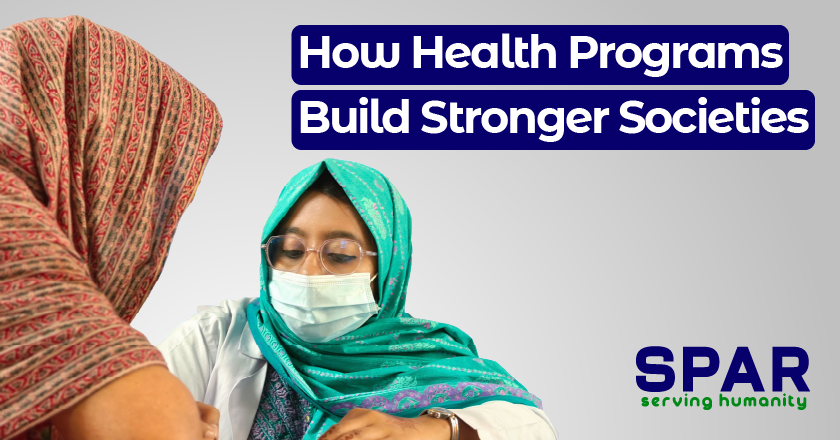
2. How Health Programs Build Stronger Societies?
A healthy community is a productive community. Charity projects that build clinics or fund doctors have a massive long-term effect. When children get vaccines, they stay in school. When mothers have safe places to give birth, families stay whole and strong.
The long term impact of charity on communities is visible in the local economy. Healthy adults do not miss work. They earn steady wages. This reduces the burden on the state and allows the community to invest in other things, like better roads or new businesses. Health is the foundation of all other types of growth.
3. The Role of Education in Economic Growth
Education is the most powerful tool to end poverty. When a nonprofit builds a school, they change the path of every child in that village. Education gives children the skills to get better jobs. It teaches them how to solve problems and lead their people.
Statistics show that more education leads to higher income. This wealth then stays within the community. Educated parents are also more likely to send their own children to school. This creates a cycle of learning that keeps going long after the school is built. It is a long-term investment that never stops paying off.
4. Clean Water Projects and Their Ripple Effects
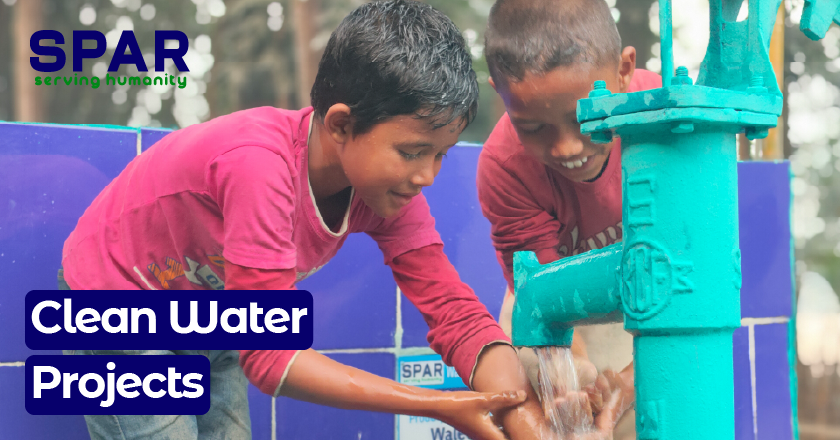
Clean water is about more than just drinking. It is about time and safety. In many poor areas, women and girls walk for hours to find water. This keeps them out of school and work. It also puts them in danger.
When a charity builds a deep-bore well near a village, life changes instantly. Girls go back to class. Women start small businesses or gardens. The time they save becomes money and education. Furthermore, the community sees a huge drop in hospital visits. Clean water is a simple solution with a massive, multi-generational impact.
5. Supporting Local Businesses Through Micro-Grants
Charity can jumpstart a local economy through micro-grants. Instead of just giving items, some charities give small loans or grants to entrepreneurs. A woman might buy a sewing machine. A man might buy tools for a workshop.
These small investments create jobs. The business owners spend their profits at other local shops. This keeps money moving within the community. Over time, the area becomes less dependent on outside aid. This is a key part of the long term impact of charity on communities. It turns “aid recipients” into “business leaders.”
6. Psychological Benefits of Community Support
Poverty is not just about a lack of money. It is also about a lack of hope. Constant struggle wears people down. When a charity steps in with a long-term plan, it changes how people feel about their future.
Knowing that a school or clinic is there to stay gives people confidence. They start to plan for the future. They invest in their homes. They dream bigger for their children. This shift in mindset is hard to measure with numbers, but it is one of the most important results of good charity work. A hopeful community is a resilient community.
7. Environmental Sustainability in Modern Charity
Modern charity must be green to last. If a project ruins the local environment, it will eventually fail. That is why many organizations now focus on “green” charity. They use solar panels to power clinics. They teach farmers how to save their soil.
By protecting the land, the charity ensures that future generations can still live there. This is a vital part of long-term planning. It ensures that the help we give today does not cause a new problem tomorrow. Environmental care is essential for lasting success.
8. The Spiritual Legacy of Sadaqah Jariyah
For many, the drive to give comes from faith. In the Islamic tradition, “Sadaqah Jariyah” is a form of charity that gives forever. It aligns perfectly with the idea of long-term impact. When you build a mosque, a school, or a well, you earn rewards as long as people use it.
This concept encourages donors to think big. They look for projects that will outlive them. This spiritual focus helps non-profits like SPAR Project fund large, life-changing structures. It connects the donor’s legacy with the community’s survival.
9. Measuring Success with Data and Transparency
To ensure the long term impact of charity on communities, we must track the results. Analytical charities use data to see what works. They don’t just count the number of people who show up for a meal. They track how many children graduate school five years later.
Transparency builds trust with donors. When people see real data, they give more. They feel like part of a winning team. This data also helps charities fix mistakes. If a project is not lasting, they can change their plan. Constant improvement is the only way to reach the goal of ending poverty.
10. Empowering Women for Social Progress
Analytical studies show that when you help a woman, you help a whole family. Women usually spend their income on their children’s health and education. This makes them a key focus for long-term charity work.
Projects that teach women skills or give them loans have a high “social return.” These women become leaders in their villages. They push for better schools and cleaner streets. Empowering women is one of the fastest ways to improve a community’s long-term health.
11. Building Infrastructure That Lasts Decades
Good charity builds things that stay. This includes roads, bridges, and community centers. Good infrastructure connects a remote village to the rest of the world. It allows farmers to get their goods to the city. It allows doctors to reach patients faster.
High-quality construction matters. Using cheap materials is a waste of donor money. By building strong, lasting structures, charities ensure that the community has the bones it needs to grow. Infrastructure is the physical proof of a charity’s commitment to the future.
Final Thoughts on Lasting Change
The long term impact of charity on communities is the only metric that truly matters in the end. Short-term aid is a band-aid, but long-term investment is a cure. By focusing on education, health, and economic tools, we give people the power to change their own lives. At SPAR Project, the goal is to create a world where charity is no longer needed because every community is strong, healthy, and independent. When you give, think about the future. Your generosity today can echo for a hundred years.