More Than Data: The Human Hearts Behind Every Social Project
We often measure success in columns and charts. We talk about millions of dollars or tons of grain. But if you walk into a quiet village at dawn, those numbers vanish. You won’t hear a mother talk about “global statistics.” Instead, she will tell you how her daughter no longer gets sick from the river water. She will show you the new books in her son’s backpack. The real life impact of social development projects lives in these tiny, human moments. It is the steady heartbeat of a community that is finally moving from survival to hope. At SPAR Project, we know that true growth is not just about building walls. It is about restoring the dignity of the human spirit. In this story-driven guide, we look at how these projects change the world. We will see how a single well or a new skill can rewrite a family’s future forever.
1. The Day the Water Changed Everything
Imagine waking up at 4:00 AM every single day. For Amina, this was not a choice. It was a race for survival. She had to walk three miles to a muddy river just to get enough water for her kids to drink. The water was brown. It was filled with germs. Often, her children spent more time in a hospital bed than in a classroom.
Everything changed when a social development project installed a clean water well in her village. Suddenly, Amina’s four-hour walk became a four-minute stroll. The real life impact of social development projects like this is measured in time. With her new free time, Amina started a small garden. She grew tomatoes and spinach to sell. Her children stopped getting sick. They stayed in school. One well did more than provide water; it provided a ladder out of poverty.
2. When a Classroom Becomes a Sanctuary
In many places, a school is just a building. But in a low-income community, it is a fortress of hope. Before the SPAR Project helped build the local school in a remote region, children worked in the fields. They had no books. They had no dreams beyond the next harvest.
The impact of a new school goes beyond the ABCs. It changes how a child sees themselves. We met a young boy named Samy who once thought he would only ever be a laborer. After two years in a supported school, he wants to be a doctor. The building gave him shelter, but the teachers gave him a vision. This shift in mindset is the most powerful result of any social project. When a child realizes they are smart and capable, the walls of poverty begin to crumble.
3. The Incredible Ripple Effect of Educating Girls
There is a simple truth in our work: when you educate a girl, you change a nation. We have seen this ripple effect happen over and over. A girl who stays in school marries later. She has fewer, healthier children. She makes sure those children go to school too.
This isn’t just about one person. It is about an entire family line. We see the real life impact of social development projects when we look at a graduate’s younger sisters. They follow her lead. They see that a different life is possible. Education for girls is the ultimate “growth engine.” It is a long-term investment that pays off in healthier babies, stronger economies, and more peaceful communities.
4. Healthcare That Lives Where You Live
In a wealthy city, a doctor is just a phone call away. In a poor village, a doctor might be a two-day walk away. For a family with no money, that walk is an impossible wall. They wait until a cough becomes pneumonia before they seek help. By then, it is often too late.
Social projects that build local health posts save lives by being close. A mother can walk to the clinic in twenty minutes. She can get a vaccine for her baby. She can get medicine for a simple infection. This keeps the parents healthy so they can keep working. It prevents a single fever from wiping out a family’s life savings. Small clinics are the front line in the battle against extreme poverty.
5. Skills That No One Can Take Away
We believe in a “hand up,” not just a “handout.” This is why vocational training is so vital. Take the story of Omar. Omar grew up in a refugee camp with no way to earn a living. He felt like a burden to his family.
Through a social project, he joined a workshop to learn solar panel repair. Today, Omar is not a refugee waiting for a food box. He is a technician. He earns his own money. He helps his neighbors get clean power. The real life impact of social development projects that teach skills is the gift of pride. When you give a person a trade, you give them an identity. You give them a future that belongs entirely to them.
6. Removing the Mental Weight of Poverty
Poverty is a physical struggle, but it is also a mental one. It is a state of constant, “toxic stress.” When you don’t know if you will eat tomorrow, your brain stays in a state of fear. You cannot plan. You cannot learn. You cannot grow.
Social projects provide a foundation of safety. When a village has a steady food source or a safe place to sleep, the stress levels drop. People start to breathe again. They start to think about next month and next year. This peace of mind is a massive part of development. It allows the human brain to move out of survival mode. Once the fear is gone, creativity and hard work take its place.
7. Why Local Leaders are the Real Heroes
The best social projects don’t come from a far-off office. They come from the people who live in the village. At SPAR Project, we look for the local “spark.” It might be a grandmother who wants to start a library. It might be a young man who wants to clean up the local river.
When local people lead, the impact lasts. They know the secrets of their community. They know who needs the most help. Most importantly, they stay. When the funding ends, the project lives on because the community owns it. They fix the well. They paint the school. This sense of ownership is the secret ingredient to a successful social project.
8. Smart Farming in a Changing World
Hunger is a thief. It steals a child’s energy and an adult’s focus. In many areas, old ways of farming no longer work because the weather has changed. Farmers work harder than ever, but their crops still fail.
Social development projects bring “smart farming” tools. We teach farmers how to save every drop of rain. We provide seeds that can handle a drought. We show them how to use natural fertilizers. The result is a farmer who grows three times more food than before. They have enough to eat and enough to sell. This turns a village from a place of hunger into a place of plenty. The dinner table is where you see the true impact of this work.
9. Empowering Women to Run the Show
In many places, women do most of the work but have the least say in the decisions. Social projects work to change this balance. We help women start savings groups. We encourage them to lead village committees.
When women have power, the whole community gets better. Women tend to spend their money on their children’s health and school. They look out for the neighbors who are struggling. The impact of a woman in leadership is a more caring and stable society. When a young girl sees her mother leading a meeting, she realizes her own voice has power too. This changes the social fabric of the village forever.
10. How Technology Bridges the Gap
Technology can feel like a luxury, but it is actually a bridge. In a remote area, a mobile phone can be a bank, a classroom, and a doctor’s office all in one.
Social projects that bring the internet or solar power to poor areas remove the “isolation” of poverty. A student can research any topic they want. A farmer can check the weather and the market prices in the city. This connection to the wider world gives poor communities the same tools as everyone else. It levels the playing field and opens up a world of new opportunities.
11. The Economic Value of Being Kind
Social development is not just about “doing good.” it is a smart economic plan for the whole world. Every dollar spent on clean water saves ten dollars in healthcare costs later. Every extra year a child spends in school adds to their future earnings.
When we invest in people, we grow the global economy from the ground up. Healthy, educated people start businesses. They buy goods. They pay taxes. The real life impact of social development projects is visible in the rising wealth of developing nations. But it is also visible in the peace of the world. A world with less poverty is a world with less conflict. Compassion is the best investment we can make for our shared future.
12. How You Complete the Transformation
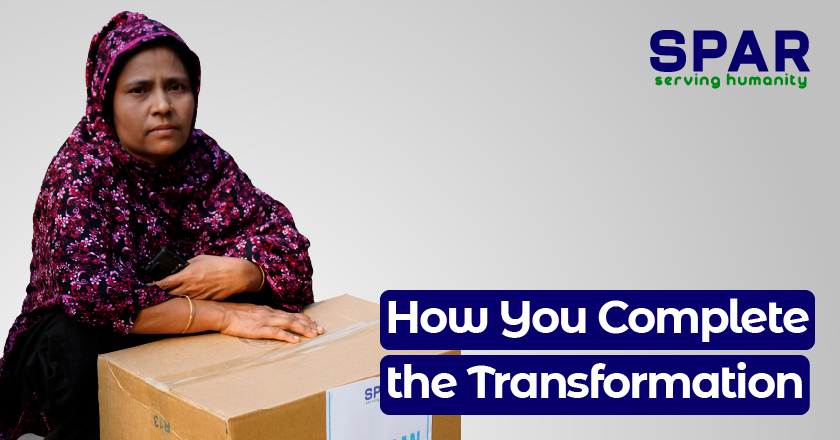
Every project we run starts with a person who cares. When you support the SPAR Project, you aren’t just sending money; you are sending a seed. You are sending a book. You are sending a vaccine.
The impact of your support is real. It is the smile on a father’s face when he sees his daughter graduate. It is the relief in a mother’s eyes when her well is finished. You are the “silent partner” in every success story we tell. Your kindness turns these plans into a reality for people who thought they were forgotten. Together, we are proving that the cycle of poverty is not a life sentence. It is a problem that we can solve, one story at a time.
Final Thoughts
The real life impact of social development projects is not found in a report. It is found in the eyes of a child who can finally dream. It is found in the steady hands of a worker who has a new trade. While we must track our data, we must never forget the soul of our work. We are in the business of restoring hope. We give people the tools they need to lift themselves up with pride. Every well dug and every school opened is a victory for our shared humanity. Let’s keep writing these stories of change together.