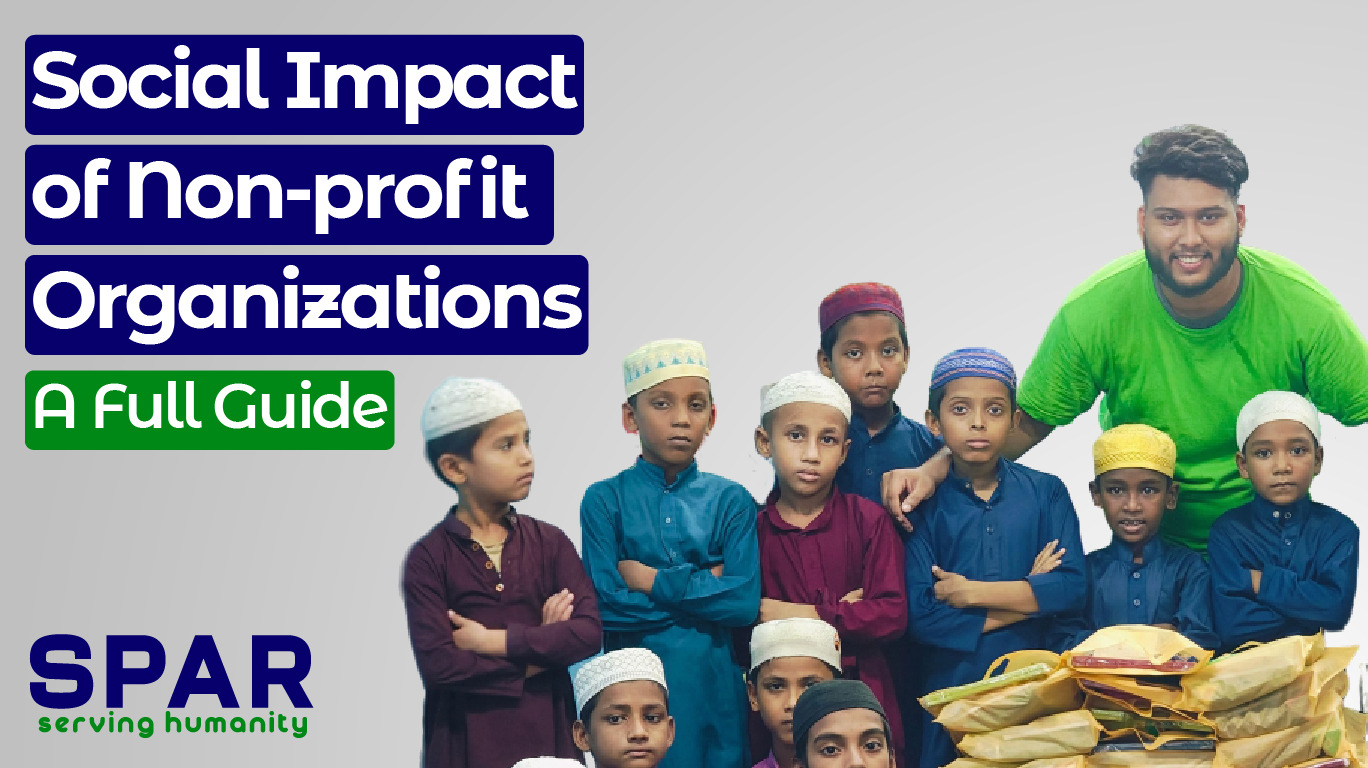
Social Impact of Nonprofit Organizations: A Full Guide
The social impact of nonprofit organizations creates a path toward a better world for everyone. Many people think of charity as a quick gift of food or clothes. While those things help today, real impact changes lives for years to come. Nonprofit groups step in where governments cannot reach. They find the most vulnerable people and offer them tools for success. Whether it is a new school or a clean water well, these actions change how a community functions. This informational guide explains how these groups drive big social change. We will look at how they boost local economies, improve health, and give hope to families. By the end, you will understand how a single organization can transform an entire region through smart, lasting work.
Defining the Real Reach of Social Impact
To understand the social impact of nonprofit organizations, we must look at the long-term results. Impact is not just a one-time event. It is the total change that happens because of a project. For example, when a group builds a school, the impact is more than just a building. It includes higher literacy rates, better jobs for graduates, and more stable families.
Think of it like a ripple in a pond. The initial action is the stone hitting the water. The ripples are the social impact that spreads throughout the community. This impact touches everyone, from the smallest child to the oldest elder. It creates a cycle of growth that keeps moving forward even after the nonprofit leaves.
1. How Job Training Boosts Local Economies
One major way nonprofits help is through job creation. Many groups do not just give money. Instead, they teach people how to earn their own income. This is a very effective way to end poverty.
When a nonprofit starts a vocational school, they teach skills like sewing or engine repair. These skills turn people into workers. These workers then spend their wages at local markets. This keeps money within the village. The local shopkeeper then has more money to buy goods. This cycle builds a strong local economy. By focusing on skills, nonprofits ensure that families can support themselves without needing outside help every month.
2. The Power of Schools in Remote Villages
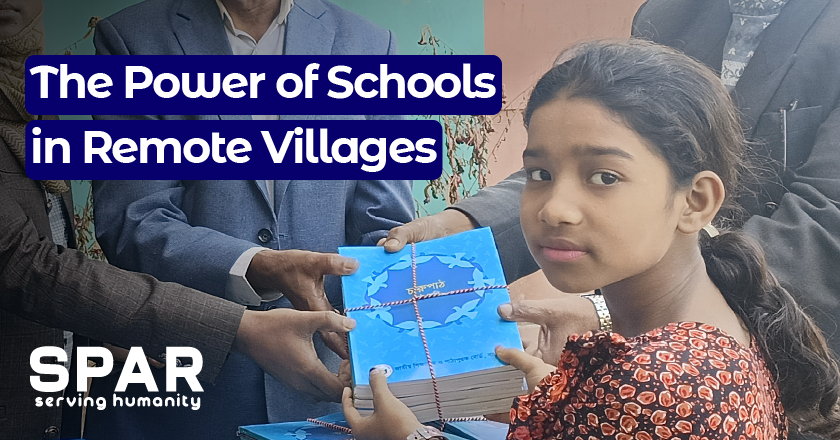
Education is a central part of the social impact of nonprofit organizations. In many rural areas, children have no place to learn. Nonprofits build schools and hire teachers to fix this problem. They also provide books and uniforms so every child can attend.
An educated child grows into a smart adult. They can read contracts, manage money, and understand their rights. Education also leads to better health and smaller families. When a nonprofit brings a school to a village, they are investing in the minds of the future. This is the bedrock of a successful society. It changes the destiny of every student who walks through the door.
3. Saving Lives Through Better Public Health
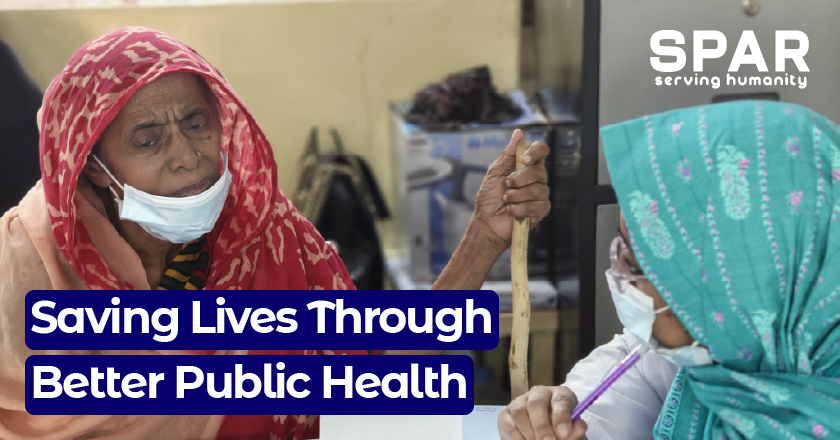
Without good health, a community cannot grow. Many nonprofits focus on bringing medicine and doctors to remote places. They set up clinics and organize vaccination drives. These programs save thousands of lives every year.
However, impact is about more than just medicine. These groups also teach people how to stay healthy. They explain why clean water is important. They show mothers how to provide good nutrition for their babies. By preventing diseases like malaria or cholera, nonprofits keep families whole. A healthy workforce can work every day, which helps the economy stay strong.
4. Empowering Women for a Fairer Society
In many places, women face big hurdles to success. Nonprofits work to break these barriers. They offer small loans to women so they can start home businesses. They also teach women about leadership and their legal rights.
When a woman earns money, she spends it on her children’s health and school. This makes the whole family stronger. Empowering women changes the social structure of a community. It leads to more equality and better decision-making. This is a vital part of the social impact of nonprofit organizations. It ensures that everyone has a chance to succeed, regardless of their gender.
5. Protecting the Environment and Farming
Modern nonprofits often focus on “green” impact. They teach farmers how to protect their soil and use less water. This is very important for communities that rely on the land. They also plant trees to stop the desert from growing.
By teaching sustainable farming, nonprofits help families grow more food. They also introduce clean energy, like solar panels, to homes. This protects the environment for future generations. It ensures that the land stays healthy and productive. Environmental care is a key part of building a world that lasts.
6. Building Infrastructure to Connect People
Good roads and clean water systems are essential for growth. Many nonprofits fund these big building projects. When a village gets a new road, it can reach the city market faster. This allows farmers to sell their crops while they are still fresh.
Clean water wells are another example of physical impact. A well saves women and girls hours of walking every day. This time can then be spent in school or at work. Infrastructure provides the “bones” that a community needs to grow. It is a physical sign of a nonprofit’s commitment to the area.
7. Fostering Moral and Spiritual Well-Being
In Islamic charity, social impact includes the heart and soul. Many groups build mosques and community centers. These places offer a space for prayer and gathering. They keep the community’s moral values strong.
This work helps people feel connected and hopeful. It encourages neighbors to be kind and help each other. A strong moral foundation makes a community more resilient during hard times. It connects the physical help with a deeper sense of purpose and peace. This spiritual impact is just as important as physical aid.
8. Why Transparency Builds Better Results
A nonprofit needs the trust of its donors to do its work. To get this trust, they must be very open about their money. This is called transparency. Top organizations use data to prove their work is making a difference.
They share photos, videos, and reports with the public. They show exactly how every dollar was spent. This honesty encourages more people to give. When more people give, the social impact of nonprofit organizations grows even larger. Transparency is the link between the donor’s gift and the community’s success.
9. Developing Local Leaders for Independence
The best nonprofits do not want to stay in a village forever. Their goal is to make the community independent. They train local people to lead the projects. They teach them how to manage schools and fix water pumps.
When local people take charge, the impact becomes permanent. The village no longer needs help from the outside. They have their own leaders and their own plan for the future. This move toward self-sufficiency is the ultimate sign of a successful project. It turns “recipients” into “owners.”
10. Disaster Relief and Emergency Support
Sometimes, a crisis happens suddenly. Floods or earthquakes can destroy a village in minutes. Nonprofits are often the first to arrive with help. They provide tents, food, and clean water to survivors.
This rapid help is life-saving. It stops a crisis from getting worse. While long-term work is vital, these emergency actions provide immediate stability. Once the danger has passed, the nonprofit can begin the long-term work of rebuilding. Relief is the first step toward lasting social impact.
11. Using Micro-Finance to Spark Businesses
Many poor people are very hard-working, but they have no money to start a business. Nonprofits solve this with microfinance. These are tiny loans that help people buy tools or supplies.
A tailor might use a loan to buy a sewing machine. A farmer might buy a cow. As they earn money, they pay the loan back. That money is then lent to someone else. This creates a never-ending cycle of opportunity. It gives people the power to work their way out of poverty. Microfinance is a simple tool with a massive social effect.
Final Thoughts: A Legacy of Hope
The social impact of nonprofit organizations is the true measure of our success as a global community. Every well dug and every school built represents a new beginning for someone. At the SPAR Project, we focus on building a future where every community is strong and independent. By focusing on education, health, and jobs, we create a legacy that lasts for generations. Your support helps turn these goals into reality. Together, we can build a world where everyone has the tools they need to live a dignified and happy life.