Donate a Water Well in Bangladesh: What It Really Means
What Is a Water Well Donation in Bangladesh?
Donating a water well in Bangladesh means funding the drilling and installation of a clean water source for a village or community. Most wells reach depths of 150–300 feet to bypass arsenic-heavy shallow water. One well can serve 200–500 people for over a decade.
Why Donating a Water Well in Bangladesh Matters Right Now
Bangladesh has one of the world’s worst arsenic crises. UNICEF estimates that over 20 million people there drink groundwater with arsenic levels above safe limits — making it the largest mass poisoning in history. A single deep well cuts that risk at the source.
Water Wells in Bangladesh: What Most People Don’t Know
Most donors picture a hand pump. But Bangladesh’s water crisis is chemical, not just physical—shallow wells pull up naturally occurring arsenic from the soil. The World Health Organization links long-term arsenic exposure to cancers of the skin, bladder, and lung. Depth isn’t a detail. It’s the difference.
What Types of Water Wells Work Best in Bangladesh?
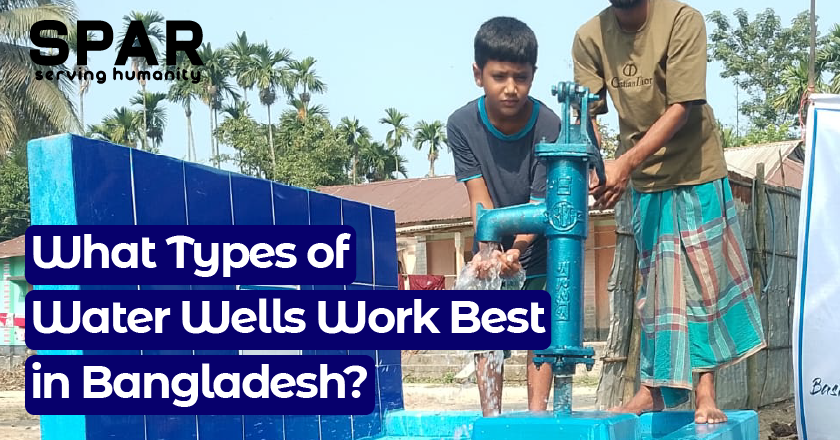
Deep tube wells are the standard. They reach 150–300 feet to access arsenic-safe aquifers below the contaminated shallow layer. Some areas need hand pumps; others use motorized systems to serve larger populations.
Hand Pump Wells
Hand pumps work best in small, rural communities. They need no electricity and break down less often. A well-maintained hand pump can serve a village for 10–15 years.
Gravity-Fed and Motorized Systems
Larger communities sometimes need motorized pumps. These pull water up to a storage tank, then distribute it by pipe. They cost more but serve many more families at once.
Arsenic-Safe Deep Aquifer Wells
These are the most important types for Bangladesh. The British Geological Survey confirmed that deep aquifers—below 150 feet—contain far less arsenic. A donated water well in Bangladesh, an effort that targets this depth, and protects people at the source.
Who Suffers Most From Bangladesh’s Water Crisis?
Children under five and pregnant women carry the heaviest risk. Chronic arsenic exposure stunts growth, weakens immune systems, and raises cancer risk over the years. Rural women also walk the farthest to collect water — often two to three hours a day.
Rural Women and Girls
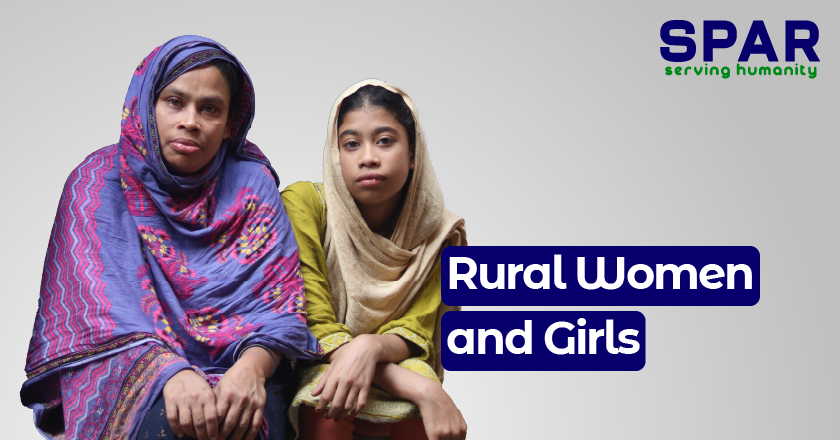
Water collection falls on women in most Bangladeshi households. A UNICEF study found that girls miss school on collection days. A local well gives those hours back.
Children Under Five
Young children absorb arsenic faster than adults. The World Health Organization links early exposure to developmental delays and long-term organ damage. Clean water early in life changes the health path entirely.
Haor and Char Communities
People living on Bangladesh’s seasonal floodplains — the haors and chars — face double risk. Floods destroy shallow wells. Isolation cuts them off from relief. These communities are last to get help and first to suffer when water fails.
Common Misconceptions About Donating a Water Well in Bangladesh
Many people assume one well solves the problem permanently. It doesn’t. Wells need maintenance, community oversight, and occasional repairs. The installation is the beginning — not the end.
“All Wells Are the Same”
Depth matters more than anything else. A shallow well in Bangladesh may still carry arsenic above safe levels. When you donate water well in bangladesh through a reputable organisation, they test the water and confirm the depth before closing the project.
“One Well Lasts Forever”
Most wells last 10–20 years with care. Without a local maintenance plan, a well can fail in two or three years. Good programmes train a village volunteer — often called a caretaker — before they leave the site.
“Remote Villages Can’t Be Reached”
Bangladesh has over 87,000 villages. The Local Government Engineering Department (LGED) has road maps covering most of them. Experienced field teams know how to reach hard-to-reach communities by boat in the monsoon season and by road in dry months.
Real Impact: What We Saw in Sunamganj in March 2025
Our team visited Sunamganj District in March 2025. We met Fatima—a mother of three—who had collected arsenic-contaminated water from the same shallow pond for six years. Her youngest son had skin lesions. Three months after a deep tube well was installed 200 meters from her home, the family stopped using the pond entirely.
What Changed for Fatima’s Family
Her son’s skin improved within weeks of switching to clean water. Fatima now has an extra two hours each morning. She uses that time to run a small tea stall. One well. One family. Real, measurable change.
Why Named Stories Matter
Field teams don’t just count wells. They track outcomes—health visits, school attendance, and income changes. Research from the World Bank shows that clean water access raises household income by up to 10% in rural South Asia. The numbers behind one name are bigger than they look.
What to Know Before You Donate a Water Well in Bangladesh
Clean water wells in Bangladesh reach communities that no other infrastructure serves. A single deep tube well can serve 40 to 50 families. SPAR’s field teams work in districts like Sunamganj, where arsenic contamination and seasonal flooding cut off safe water for months at a time.
Which Districts Need Wells Most Right Now
Sunamganj, Netrokona, and Kishoreganj face the worst gaps. Haor basin flooding makes these areas hard to reach — and easy to overlook. That’s exactly why long-term field presence matters more than one-off projects.
How a Well Gets from Funding to Function
A site survey comes first. Then, the community registration, drilling, and handover to a local water committee. The full process takes six to ten weeks. Ongoing monitoring keeps the well running for ten to fifteen years after installation.
Behind every working well is a chain of decisions that started long before the drill hit the ground—and continues long after. SPAR’s teams stay in these districts through dry seasons and monsoons alike, because clean water isn’t a one-time fix. See how this work continues →