Muslim Sponsor an Orphan: What It Really Means and Why It Matters
What Is Muslim Sponsor an Orphan?
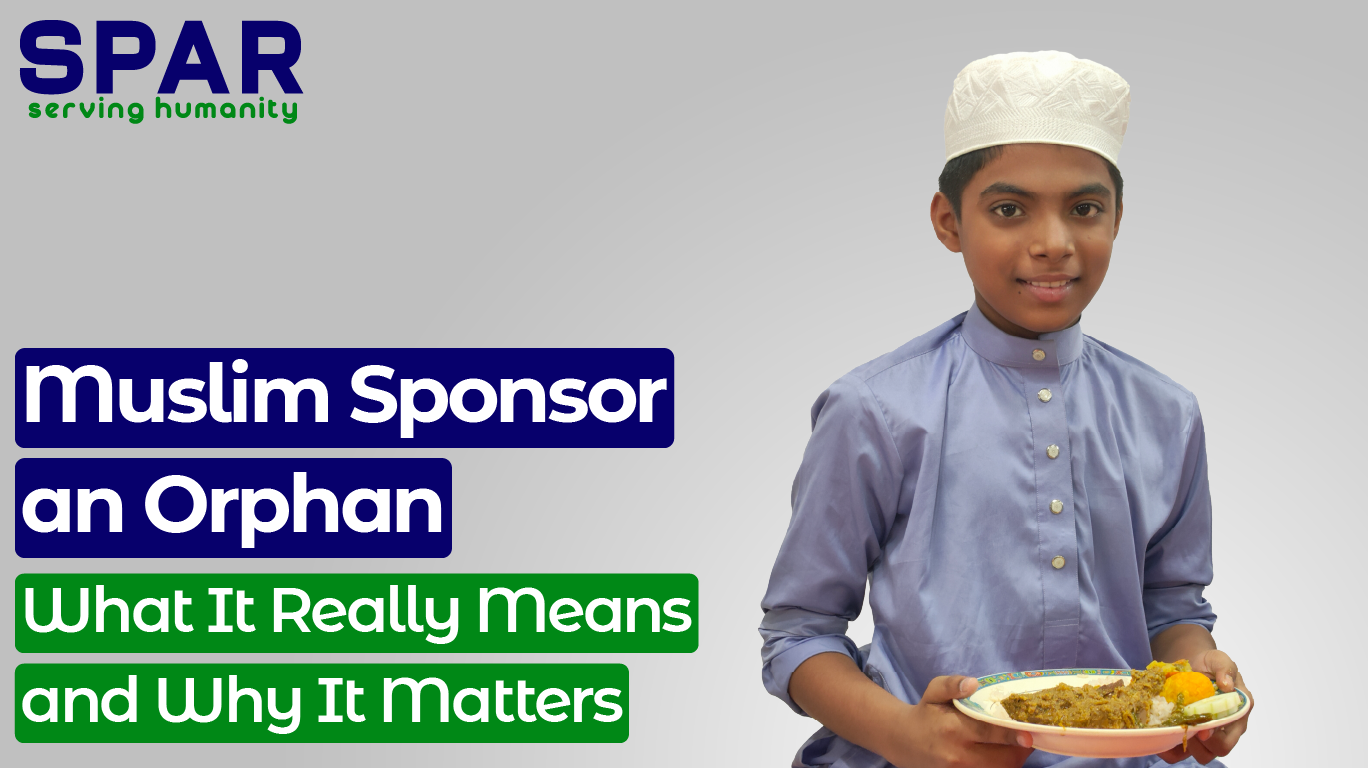
To sponsor an orphan in Islam means to cover a child’s basic needs — food, shelter, and education — through regular giving. It’s one of the most praised acts in the Quran and Sunnah. The Prophet Muhammad ﷺ called the orphan’s sponsor his neighbor in Paradise.
Why Muslim Sponsor an Orphan Matters Right Now
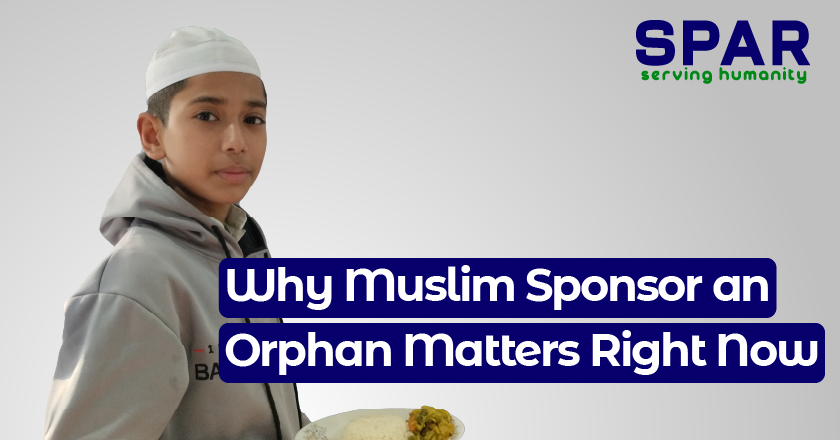
There are about 140 million orphaned children in the world today, according to UNICEF. Most lack access to clean water, school, or a safe home. Sponsoring a child doesn’t just fill a gap — it changes the entire path of a life.
Muslim Sponsor an Orphan: What Most People Don’t Know
Orphan sponsorship in Islam isn’t a one-off gift. It’s an ongoing commitment — usually as low as $30–$50 per month — that covers a child’s daily needs across a full year. The World Bank links consistent support to long-term gains in child health and school attendance.
What Forms Can Muslim Orphan Sponsorship Take?
Sponsorship isn’t one fixed thing. It takes different shapes depending on a child’s needs and where they live.
Full Sponsorship
Full sponsorship covers food, shelter, clothing, and school fees for one child. It’s the most complete form. UNICEF data shows children in full programs are 40% more likely to complete primary school.
Education-Only Sponsorship
Some families can feed their children but can’t pay school fees. Education sponsorship fills that gap. The World Bank estimates that each extra year of schooling raises a child’s future income by about 10%.
Emergency Orphan Support
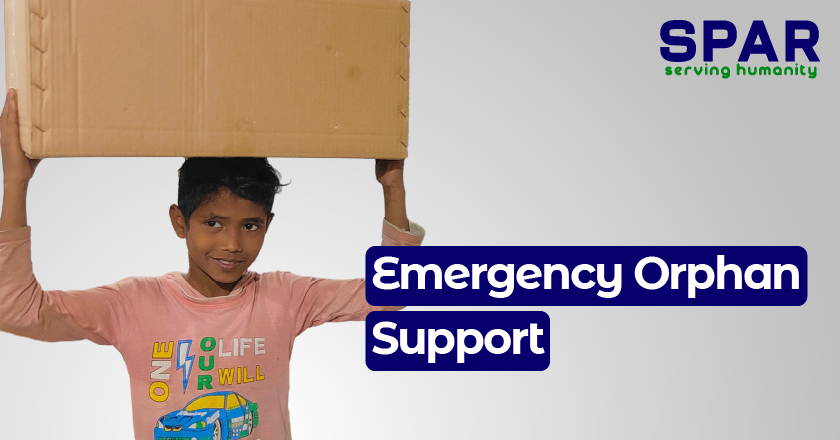
Conflict and disaster create orphans fast. Emergency support covers immediate needs—shelter, food, and medicine—in the first weeks after a child loses their parents. Speed matters most here.
Common Misconceptions About Muslim Orphan Sponsorship
Many people misunderstand what sponsoring an orphan actually means. A few wrong ideas keep people from taking that step.
“I Have to Adopt the Child”
You don’t. Islamic sponsorship — known as *kafala* — is separate from legal adoption. You provide care and funds. The child keeps their family name. This matters deeply in Islamic law, as scholars like Ibn Uthaymeen have clarified.
“The Money Goes to an Organization, Not the Child”
Most reputable programs pass support directly to the child or their guardian. SPAR’s teams verify this on the ground. The child’s needs drive every allocation.
“It’s Only for Orphans with No Living Parent.”
In Islamic scholarship, an orphan (*yateem*) is a child who has lost their father before reaching adulthood. A child with a living mother can still be a yateem. This matters — it widens who qualifies for care and who qualifies to give it.
Who Needs Orphan Sponsorship Most?
Children in conflict zones and low-income countries face the biggest gaps. But the need isn’t spread evenly.
Age Group: Under 12
Children under 12 are most at risk. They can’t work, can’t advocate for themselves, and depend fully on adults. Save the Children reports that unsponsored children in this age group are three times more likely to drop out of school before age 10.
Region: Sub-Saharan Africa and South Asia
Sub-Saharan Africa holds the largest share of the world’s orphaned children—over 57 million, per UNICEF. South Asia—including Bangladesh, Pakistan, and Afghanistan—follows closely. These are the regions where a monthly commitment of $30–$50 stretches furthest.
Girls in Particular
Girls orphaned in these regions face a second layer of risk. Without a male guardian and a sponsor’s support, early marriage becomes likely. Sponsorship delays that outcome — and keeps girls in school.
What Does Orphan Sponsorship Actually Change?
The impact runs deeper than most sponsors expect. It shifts a child’s entire future, not just their present.
In Their First Year
Within the first year, sponsored children eat more regularly, attend school more often, and get basic medical checks. The WHO links consistent nutrition before age five to stronger cognitive development for life.
One Child We Met in Sylhet
In March 2025, our team in Sylhet, Bangladesh, met Fatima, seven years old, father gone, mother working two jobs. She hadn’t been in school for eight months. Within three months of sponsorship starting, she was back in class, attending every day. Real change here is rarely sudden. It comes from small, sustained efforts repeated season after season.
Beyond the Individual Child
Sponsored children often stay in their communities as adults. They hire locally. They send their own children to school. One child helped today creates a small ripple — across a decade, that ripple becomes something a whole village can feel.
How Does Muslim Orphan Sponsorship Connect to the Broader Crisis?
What Muslim Orphan Sponsorship Means Right Now
Millions of orphaned children lack a stable adult in their corner. Sponsorship changes that one child at a time. The UN estimates 140 million children live without one or both parents. SPAR’s work across multiple regions shows what consistent, sustained care can do. See how this work continues →
Why Now Matters More Than Ever
Conflict and climate shocks create new orphans every year. Children without sponsors fall further behind with each passing season. Early intervention — before age eight — produces the strongest long-term outcomes, according to UNICEF research on child development.
What Sustained Sponsorship Looks Like
It’s not a one-time gift. It’s a month-by-month commitment that keeps a child in school, fed, and seen. That consistency is what separates a child who breaks the cycle from one who doesn’t.
Behind every child who stays in school is someone who chose not to stop. At SPAR, our teams in Bangladesh and across the regions we serve keep showing up — season after season, long after the news moves on. See how this work continues →