Sponsoring an Orphan’s Education: What It Is and Why It Changes Everything
What Is Sponsoring the Education of an Orphan?
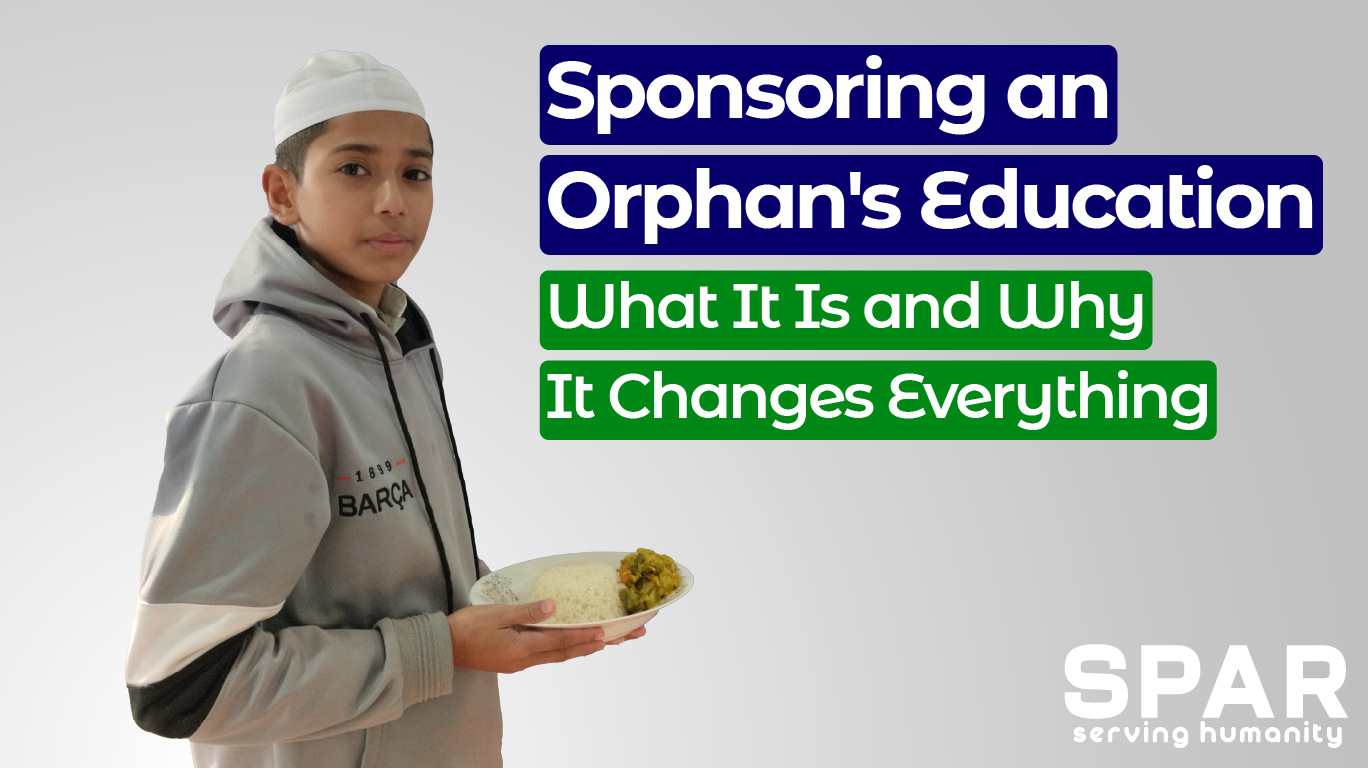
Sponsoring the education of an orphan means covering the direct costs that keep a child in school — fees, books, uniforms, and sometimes meals — when that child has no parent able to provide them. It’s a structured commitment, not a one-time gift. The child stays enrolled; the sponsor stays consistent.
Why Sponsoring the Education of an Orphan Matters Right Now
Education is the single strongest predictor of whether a child escapes poverty permanently. UNICEF estimates that children who complete secondary school earn up to 50% more over their lifetimes than those who don’t — and orphaned children drop out at dramatically higher rates than their peers, simply because the money runs out.
Orphan Education by the Numbers: What Most People Don’t Know
The scale is harder to sit with than most people realise. The UN’s 2023 State of the World’s Children report identified over 333 million children living in extreme poverty, with orphaned and separated children among the least likely to access consistent schooling. Without a sponsor, many don’t make it past primary school — not because the school doesn’t exist, but because no one covered the $40 that term.
What Types of Orphan Education Sponsorship Actually Exist?
Sponsorship isn’t one thing. It takes different shapes depending on the country, the organisation, and the child’s age — and understanding the difference helps you see why some models produce lasting results while others fall short.
Full Academic Sponsorship
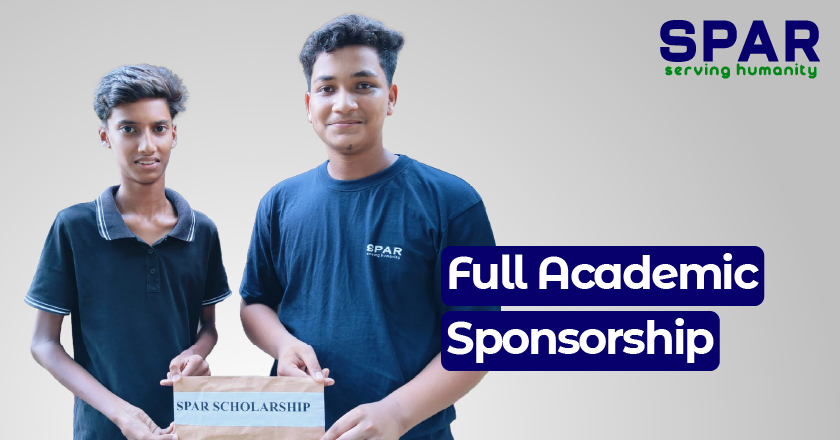
This covers every direct school cost: fees, textbooks, uniforms, and and exam registration. It keeps a child enrolled from one year to the next without interruption, which matters more than most people realise, because a single missed term often means a child never returns.
Vocational and Skills-Based Sponsorship
Not every orphan is school-age. Older teenagers — 16, 17, 18 — often need a trade more urgently than a classroom. Vocational sponsorship funds apprenticeships, technical training, and certification programmes that lead directly to income within 12 to 18 months.
Holistic Support Packages
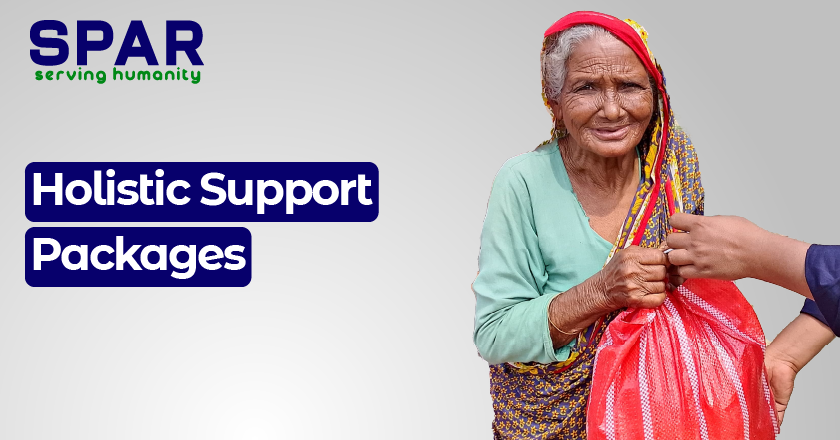
Some programmes pair school fees with meals, counseling, or safe housing. The World Food Programme found that school feeding programmes increase attendance by up to 29% in food-insecure regions. A sponsored child who’s hungry still drops out.
Common Misconceptions About Sponsoring the Education of an Orphan
The biggest one: that it’s complicated, or that you need to know the child personally to make it work. You don’t. Most structured programmes handle all reporting, verification, and disbursement — the sponsor provides consistency, the implementing organisation provides accountability.
“One Payment Is Enough”
It isn’t. A single school fee payment covers one term. The child still faces the next three terms, the following year, and the exam costs that come at the end. Sponsoring the education of an orphan is effective precisely because it’s *repeated* — the same child, the same school, season after season.
“The Money Won’t Reach the Child”
This concern is fair and worth asking directly. Reputable organisations disburse funds directly to schools or verified caregivers, with receipts and progress reports. The paper trail matters — and any organisation that can’t produce one deserves scrutiny.
“Orphans in School Are Already Being Supported”
Many aren’t. UNICEF data shows that in sub-Saharan Africa, orphaned children are significantly less likely to attend school than non-orphaned peers living in similar poverty levels. The gap isn’t explained by poverty alone — it’s explained by the absence of an advocate.
Who Is Most Affected by Educational Exclusion Among Orphans?
Girls between the ages of 10 and 14, in rural areas of sub-Saharan Africa and South Asia, face the sharpest drop-off. When a family can only afford to send one child to school, the girl stays home. When a parent dies, she’s often pulled into domestic labour within weeks.
Sub-Saharan Africa
UNICEF estimates that over 52 million children in sub-Saharan Africa have lost one or both parents. Nigeria, Ethiopia, Tanzania, and the Democratic Republic of Congo carry the largest absolute numbers. Rural children in these countries face fees as low as $30 per term — but without a sponsor, that $30 is the wall.
South and Southeast Asia
Bangladesh, Pakistan, Indonesia, and Myanmar each have millions of children in orphan-adjacent circumstances — children who’ve lost a parent to illness, disaster, or conflict and whose remaining caregiver can’t cover school costs. The Asian Development Bank links this directly to intergenerational poverty cycles that persist for three generations or more.
Conflict-Affected Regions
Children orphaned by war age out of the window for primary education faster than aid reaches them. UNHCR’s 2023 education data shows that only 37% of refugee children access secondary school, and orphaned refugee children face additional barriers beyond the norm.
Real Impact: What Sponsoring the Education of an Orphan Looks Like in Practice
In March 2024, our team in Sylhet Division, Bangladesh, met Rahima, eleven years old, one year out of school, after losing her father to
What Sponsoring the Education of an Orphan Actually Changes
The research is unambiguous: children who complete secondary school earn 10% more per year of schooling completed, according to World Bank estimates. Sponsoring the education of an orphan doesn’t just open a classroom door — it shifts what that child’s next thirty years look like. See how this work continues →
What Happens After the First Year?
Most sponsors underestimate the compounding effect. A child who stays enrolled through primary school is four times more likely to complete secondary school, per UNESCO’s 2023 Global Education Monitoring Report. The first year isn’t the finish line — it’s the foundation.
Why Long-Term Commitment Matters More Than One-Off Help
A single term’s fees can get a child back inside a classroom. But consistent support — across multiple years — is what produces the documented outcomes: higher literacy, delayed marriage for girls, lower child mortality in the next generation. UNICEF’s longitudinal data confirms this gap between short-term relief and sustained sponsorship repeatedly.
Behind every enrolment statistic is a specific child who got to sit down at a desk again — and someone, somewhere, who decided that mattered enough to stay involved past the first news cycle. At SPAR, that’s the quieter part of the work: staying present in Sylhet, in rural Tanzania, in the communities where the need doesn’t resolve on a schedule. See how this work continues →