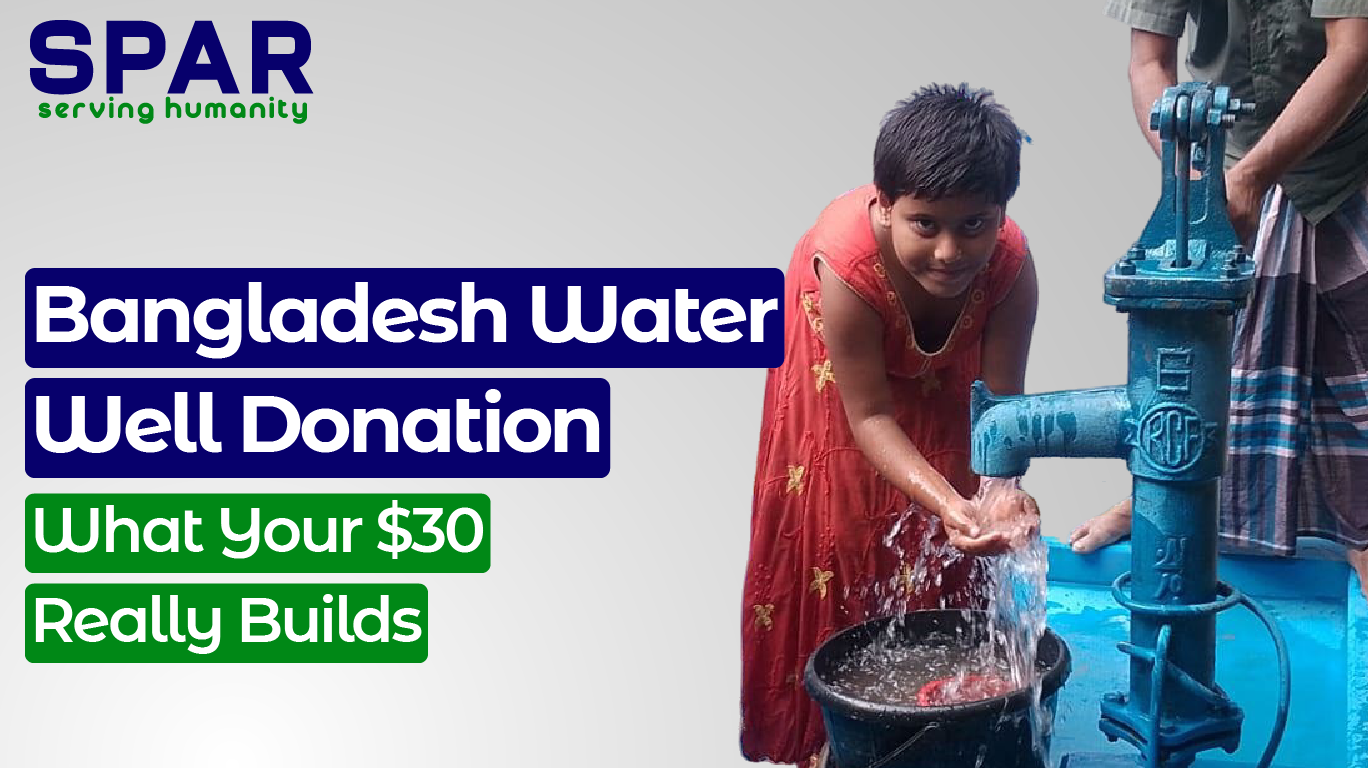
Bangladesh Water Well Donation: What Your $30 Really Builds
What Is a Bangladesh Water Well Donation?
A Bangladesh water well donation funds the drilling and construction of a clean water source in a rural Bangladeshi community. Most wells serve 20–40 families at once. The donation covers materials, local labor, and basic maintenance training for the community.
Why Bangladesh Water Well Donation Matters Right Now
Bangladesh has about 170 million people, and millions still drink water laced with arsenic or bacteria. UNICEF estimates that unsafe water kills thousands of Bangladeshi children each year from preventable illnesses. One well changes that math for an entire village.
Bangladesh Water Well Donation by the Numbers
About 85 million people in Bangladesh still lack reliable access to safe drinking water at home. Women and girls walk an average of 30 minutes each way to collect it, time that can’t go to school or work. That’s the gap a single drilled well closes.
What Types of Bangladesh Water Well Donation Projects Exist?
Not all water wells are the same. The type built depends on the depth of clean groundwater, the size of the community, and local geology.
Hand-Pumped Tube Wells
A hand-pumped tube well is the most common project in rural Bangladesh. Workers drill 100–300 feet into the ground to reach safe water below arsenic-contaminated layers. One well serves about 25–40 families at a cost of $30–$60 per family.
Submersible Pump Wells
Submersible pump wells go deeper — often 600–900 feet. They reach aquifers that arsenic can’t touch. These cost more upfront but serve larger communities and break down less often.
Rainwater Harvesting Systems
In coastal areas hit by cyclones, saltwater floods contaminate tube wells for months. Rainwater tanks — sealed, elevated, and fitted with filters — give families a safe backup source when the ground isn’t safe to drink from.
Who Is Most Affected by the Water Crisis in Bangladesh?
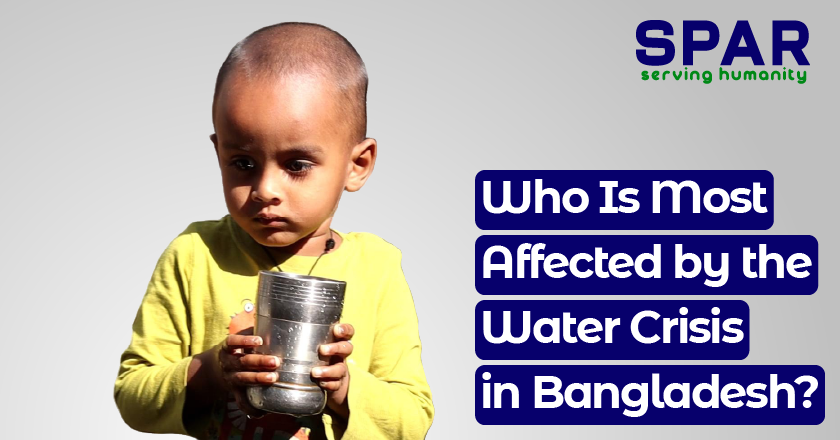
Children under five and women carry the heaviest load. UNICEF data shows that diarrheal disease — mostly from unsafe water — is a leading killer of young children in South Asia.
Children Under Five
A child’s immune system can’t fight waterborne bacteria the way an adult’s can. In flood-prone districts like Sunamganj and Netrokona, children drink the same water their families use to wash. Illness follows fast.
Women and Girls
Women fetch water in most rural Bangladeshi households. A 30-minute walk each way — twice a day — adds up to over 350 hours a year. That’s time lost from school, work, and rest.
Families in Arsenic Zones
About 20 million people in Bangladesh still drink water with arsenic levels above the WHO safe limit of 10 micrograms per liter. Long-term exposure causes skin lesions, organ damage, and cancer. Many families don’t know their water is poisoned.
Common Misconceptions About Bangladesh Water Well Donation
Many people think a well is just a hole in the ground. It isn’t. A properly drilled well includes a concrete pad, a sealed casing to block surface runoff, a pump mechanism, and a drainage channel so wastewater flows away from the source.
“Any Well Will Do.”
Shallow wells — under 30 feet — almost always sit inside the arsenic-heavy layer of Bangladesh’s alluvial soil. Drilling deeper costs more. But it’s the only way to reach water that’s actually safe to drink.
“One Well Lasts Forever Without Upkeep”
Wells fail. Pump handles crack. Casings crack after floods. The World Bank notes that up to 30% of rural water points in South Asia are broken at any given time. Real programs train local mechanics and stock spare parts before day one.
“Small Donations Don’t Add Up”
A single $30 contribution covers one family’s share of a well-built. Fifty people giving $30 each fund a well that serves a whole village. The math is direct and traceable — which is why a Bangladesh water well donation is one of the most cost-effective ways to reach people in need.
What Does the Construction Process Actually Look Like?
A well build typically takes three to five days on site. That speed surprises most people. But the planning behind it—community mapping, water table testing, and site surveys—takes weeks before drilling starts.
Day One: Site Selection and Community Meeting
Our team doesn’t pick a location from a map. We sit with the community. In April 2025, our field team visited Char Fasson in Bhola District and met Fatema—a mother of four who’d lost a child to diarrhea the year before. She pointed to the spot closest to the school. That’s where the well went.
Days Two and Three: Drilling and Casing
A mechanical rig drills to the target depth. Workers slide a steel or PVC casing down the borehole to stop the sides from collapsing. A gravel pack goes around the casing base
What to Know Before Your Next Bangladesh Water Well Donation
The need in Bangladesh hasn’t slowed. UNICEF estimates over 20 million people still lack safe drinking water in the country. A well-built today serves a community for 20 years—and the families who benefit most are those in chars and flood-prone districts that no pipe network reaches.
How Long Does a Donation Stay in Use?
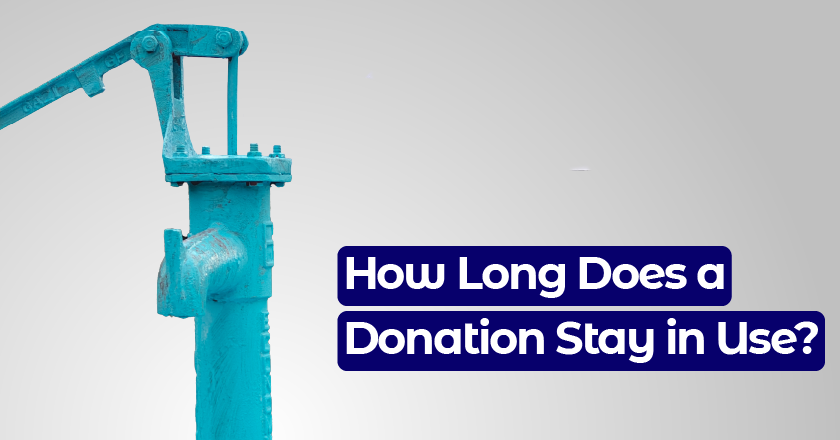
A hand-pump well lasts 15–25 years with basic upkeep. That’s one decision, one site, and one build—serving hundreds of families across two decades.
What Happens After the Build?
Communities take over. A local committee handles cleaning, minor repairs, and seasonal checks. Our team at SPAR trains two or three community members before we leave the site.
Wells, like the one Fatema pointed to in Char Fasson, don’t appear by accident. Someone decided the problem was worth their continued attention — and kept showing up. The work in Bangladesh’s most water-stressed districts keeps moving because of that same quiet commitment. See how this work continues →