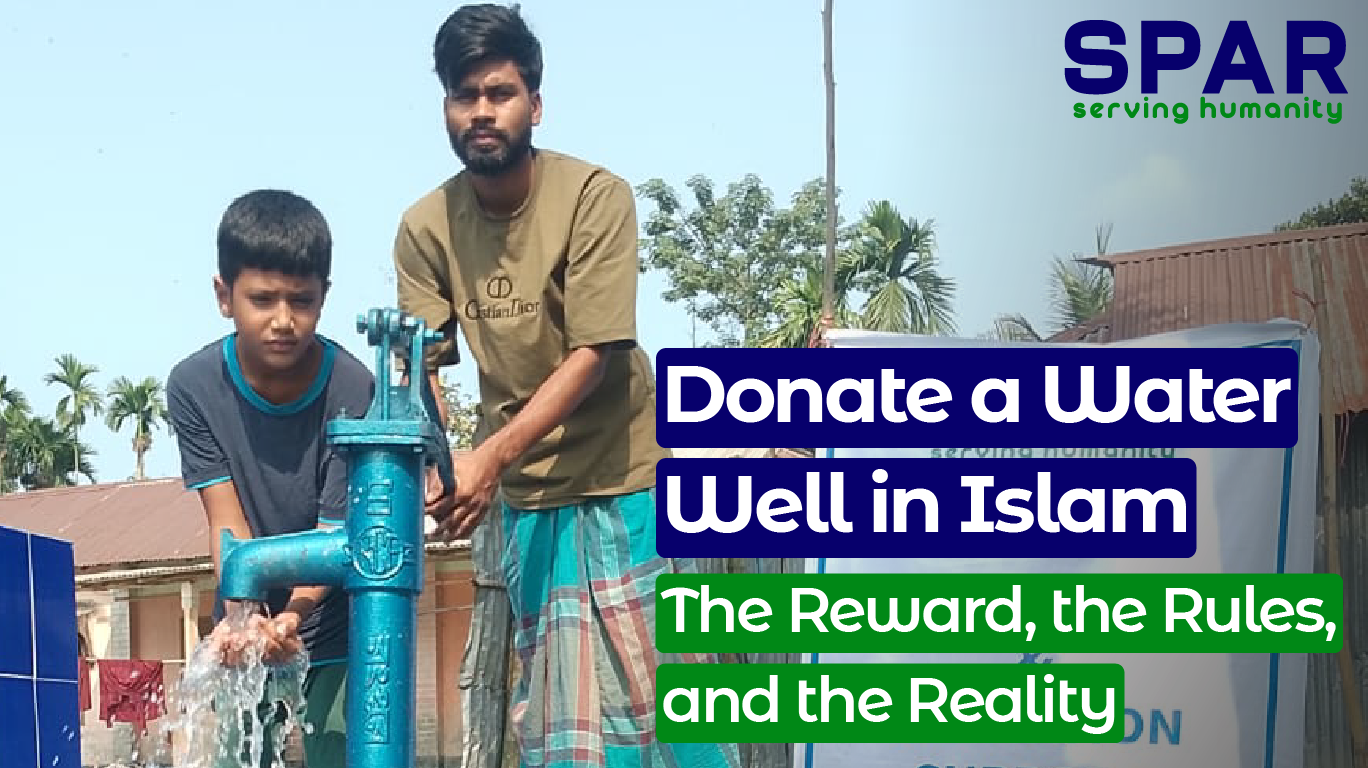
Donate a Water Well in Islam: The Reward, the Rules, and the Reality
Donating a water well in Islam means funding a permanent water source for a community that lacks clean water — as an act of sadaqah jariyah, or ongoing charity. The Prophet Muhammad ﷺ named water among the best gifts a person can give. Scholars say its reward continues as long as people drink from it.
Why Donating a Water Well Matters Right Now
About 703 million people still lack safe drinking water at home, according to UNICEF and WHO’s Joint Monitoring Programme. In Bangladesh alone, millions depend on groundwater sources that contain arsenic. A single well can serve hundreds of families — and that service doesn’t stop when the donor does.
Donating a Water Well: What Most People Don’t Know
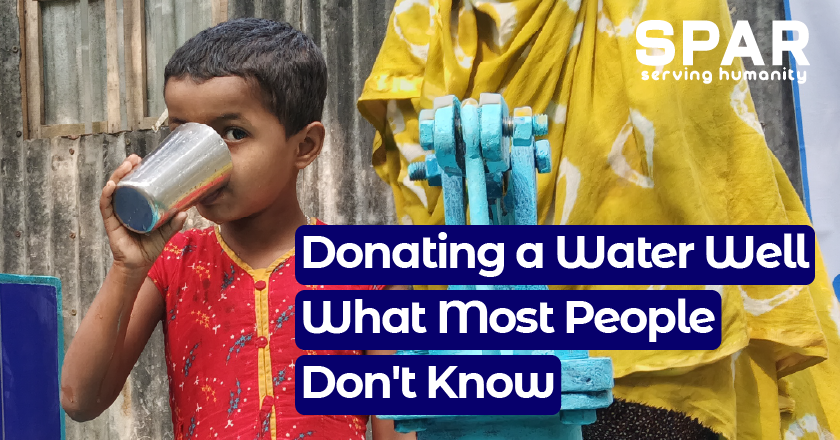
Most donors don’t realise that a drilled well in rural Bangladesh can cost as little as $300 to $500 USD — far less than most people expect. WASH researchers at the World Bank estimate that every $1 USD spent on clean water returns $4 USD in economic benefit to a community. And the Islamic reward? It’s tied to every single sip.
What Type of Water Well Should You Fund in Islam?
Not all wells are the same. The right type depends on the region, the water table, and how many families will use it.
Hand-Pump Wells
A hand-pump well sits 30–60 meters deep. It serves roughly 200–300 people. Our team in Jamalpur District installed three of these in March 2025 — and each one was drawing clean water within a week.
Tube Wells
A tube well goes deeper — sometimes 150 meters. It reaches water below arsenic-contaminated layers. UNICEF Bangladesh calls deep tube wells one of the most effective tools against arsenic poisoning in rural communities.
Gravity-Fed Systems
In hilly areas, gravity-fed systems pull water from a clean source uphill. No pump needed. No electricity required. They serve entire villages for decades with almost no maintenance cost.
Common Misconceptions About Donating a Water Well in Islam
Many people delay — or never act — because of myths about what well donation actually involves.
“It Only Counts as Sadaqah Jariyah if I Fund It Alone”
This is not correct. Scholars including Ibn Baz have said that shared giving — where multiple donors fund a single well together — still earns each person the full reward of ongoing charity. The Prophet Muhammad ﷺ said the best of people are those most beneficial to others (reported in al-Mu’jam al-Awsat of al-Tabarani). Benefit is what matters. Not sole ownership.
“A Water Well Costs Thousands”
Most people assume a well costs $2,000 or more. But a standard hand-pump well in rural Bangladesh costs between $300 and $500. Some programmes break this into shares — as low as $50 per contributor — so groups or families can give together.
“You Need to Travel There to Verify It”
You don’t. Reputable organisations document each well with GPS coordinates, photos, and completion reports. Charity Navigator and the UK Charity Commission both publish guidance on what proper verification looks like — ask any organisation for their reporting before you commit.
Who Needs Clean Water Most Right Now?
The people most at risk aren’t spread evenly across the globe. They cluster in specific places, ages, and conditions.
Children Under Five
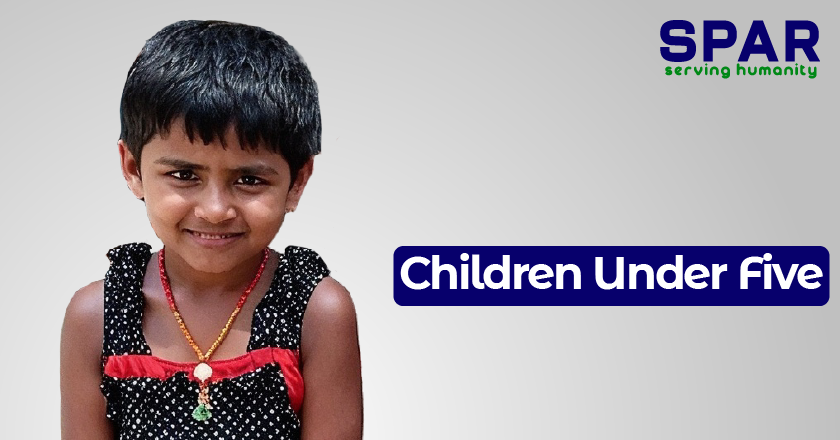
WHO reports that diarrhoeal diseases — mostly from unsafe water — kill about 1,000 children under five every day. Clean water cuts this risk sharply. For a child in rural Bangladesh, a nearby well isn’t a convenience. It’s survival.
Women in Rural Communities
In most low-income households, women and girls collect water. They walk two to four hours each day in some areas. That time costs them school, work, and rest. A well-placed close to a village gives that time back.
Flood-Displaced Families in Northern Bangladesh
Bangladesh floods roughly 20% of its land every year, according to the World Bank. Floodwater contaminates shallow wells fast. Families in districts like Sunamganj and Kurigram lose their water source for weeks — sometimes months — each monsoon season.
Real Impact: One Well, One Village, One Name
In May 2025, our team visited Char Kukri-Mukri, a river island in Bhola District. We met Fatema, a mother of four. Her nearest water point was a 40-minute walk across mud flats. She made that walk twice a day.
What Changed After the Well
A deep tube well was completed in her village in April 2025. Fatema’s youngest daughter — who had repeated stomach infections — hadn’t been sick once in the month since. That’s one family. One well. But the pattern repeats across every site we work in.
Why Named Impact Matters
Well-location data and named stories aren’t just for donors. Stanford Social Innovation Review research shows that identifiable individuals — not statistics — are what move people
What This Means for You
Giving a water well in Islam isn’t a symbolic act. It’s one of the few sadaqah jariyah deeds scholars across all four madhabs agree deliver ongoing reward — and UNICEF data confirms clean water access cuts child diarrheal deaths by up to 45%. The work is proven. The need is real.
How to Know Your Well Will Actually Reach Someone
Not every water project gets to the right place. Look for organizations that publish GPS coordinates, completion photos, and named communities. SPAR shares field reports from each site — including districts like Bhola, Kurigram, and Sunamganj.
What Scholars Say About Ongoing Charity
Ibn Qayyim al-Jawziyyah wrote that sadaqah jariyah continues after death like a river — it doesn’t stop when the giver stops. A well fits this exactly. Water flows. The reward flows with it.
Wells like the one in Char Kukri-Mukri don’t appear because of one big moment. They appear because someone decided this was worth their continued attention—and kept that commitment quiet. More on our Bangladesh work →