Donate for a Water Well: What It Really Costs and Who It Reaches
What Is Donating for a Water Well?
Donating for a water well means funding the construction of a clean water source in a community that doesn’t have one. A single well can serve hundreds of families for decades. It’s one of the few gifts that keeps working long after you’ve given it.
Why Donating for a Water Well Matters Right Now
Unsafe water kills. UNICEF estimates that 1,000 children under five die every day from diarrhea linked to dirty water. That’s not a distant problem — it’s happening today, in communities where a well doesn’t exist yet.
Donate for a Water Well: What Most People Don’t Know
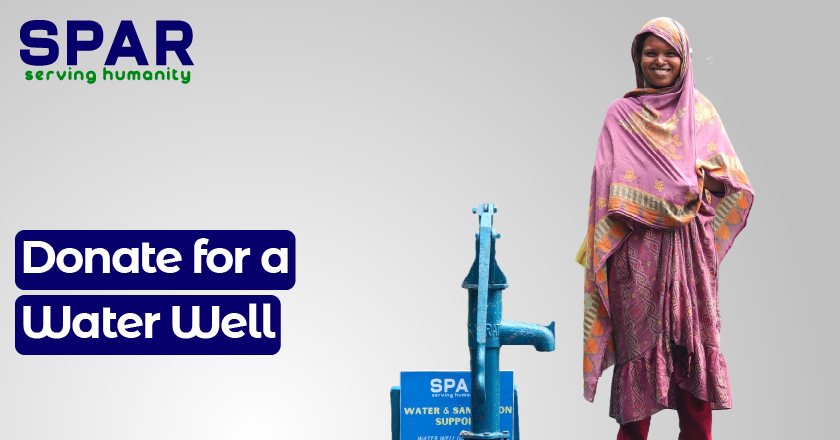
Most donors assume a well costs thousands of dollars. But in places like Bangladesh, a hand-pump well can bring clean water to an entire village for under $300 USD. The World Bank confirms that basic water access remains one of the highest-return investments in global health.
What Types of Water Wells Are There?
Not all wells work the same way. The right type depends on soil depth, population size, and groundwater level. Each type has a different cost and lifespan.
Hand-Pump Wells
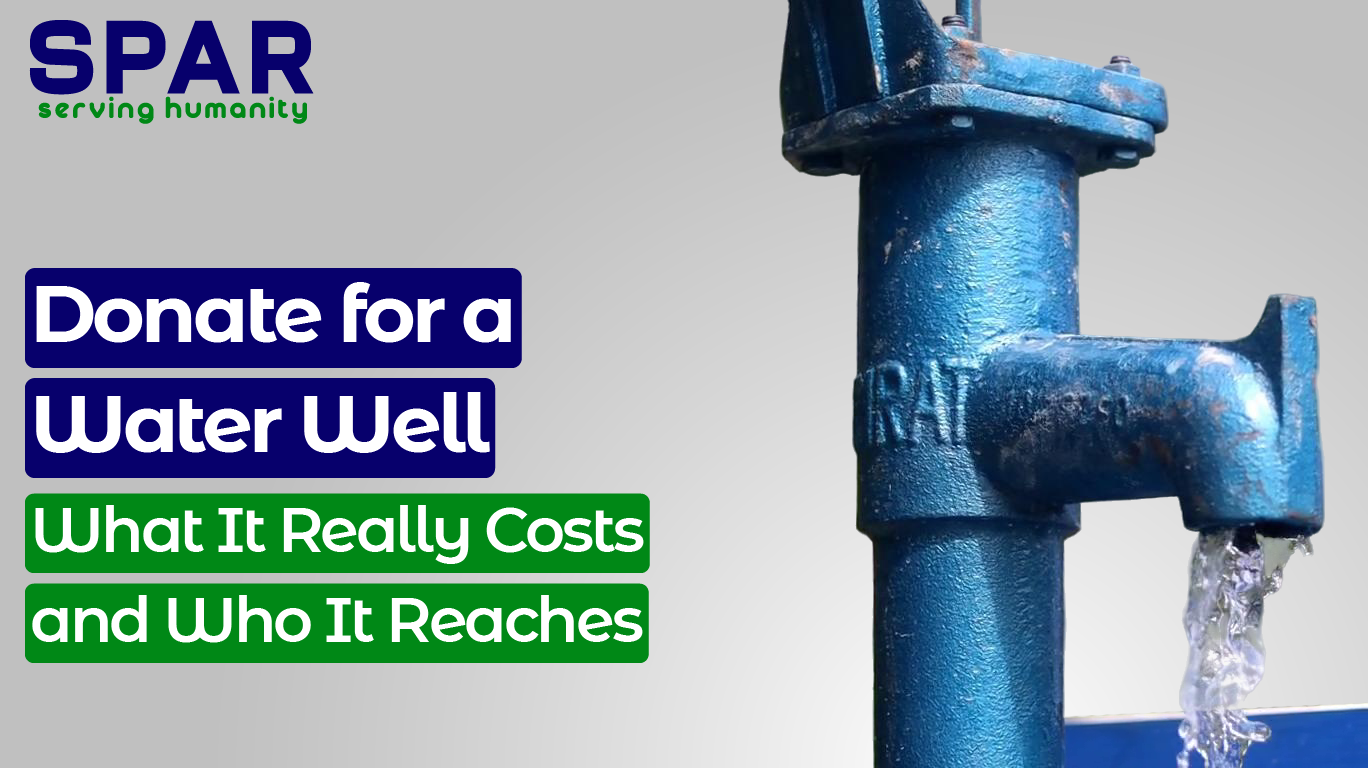
A hand-pump well is the most common type in rural Bangladesh. It pulls water from 20–40 feet below ground. One well can serve 200–300 people for up to 20 years.
Tube Wells
A tube well goes deeper — sometimes 200 feet or more. It reaches cleaner water and resists seasonal drought better. The WHO notes that deeper sources carry far lower contamination risk.
Community Tap Stands
Some projects connect a deep well to a pipe and tap system. Families collect water from a shared point near their homes. This cuts the time women and girls spend walking to water sources each day.
Who Is Most Affected by the Water Crisis?
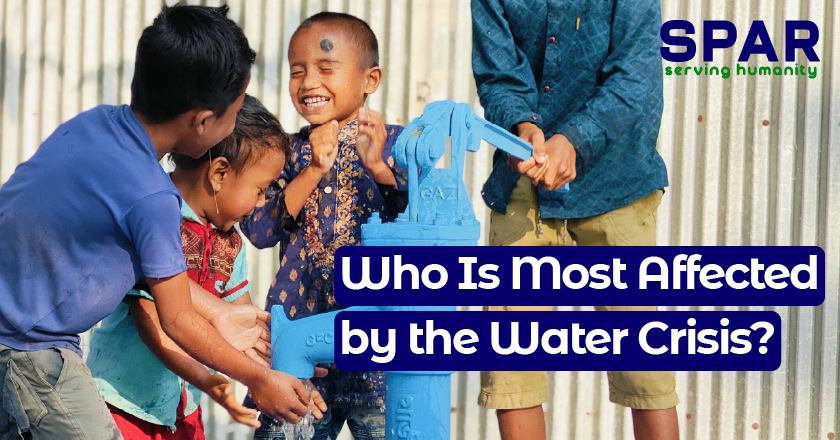
Women and girls carry the heaviest load. UNICEF reports that women and girls spend an estimated 200 million hours collecting water every single day — hours lost from school, work, and rest.
Children Under Five
Dirty water hits young children hardest. It’s the leading cause of preventable death in this age group. A clean well in the right place can cut child deaths in a village by a third.
Rural Communities in Bangladesh
Bangladesh has over 60 million people living in rural areas without safe water access, according to the World Bank. Flood-prone districts like Sunamganj and Kurigram face the worst shortages. Arsenic contamination in shallow groundwater makes surface-level wells dangerous here.
Families Paying for Unsafe Water
Many families buy water from private sellers. They often pay $2–$4 per week — more than $100 a year — for water that still makes them sick. A well removes that cost permanently.
Common Misconceptions About Donating for a Water Well
Most people think well-executed projects are slow, expensive, and hard to verify. But ground-level reality in Bangladesh is very different. Costs are low, timelines are short, and impact is measurable.
“It Must Cost Thousands of Dollars”
This is the most common myth. In Bangladesh, a basic hand-pump well costs between $250–$350. That’s far less than a month’s rent in most Western cities. Small amounts go a long way here.
“One Well Won’t Make a Difference”
One well serves roughly 250 people on average. That’s 250 people who no longer drink contaminated water every day. The math on health outcomes is clear — and fast.
“I Can’t Know If My Money Was Used Well”
Reputable organizations provide GPS coordinates, photos, and community sign-off for every well built. The tools exist. The question is whether the organization uses them — and publishes the results. See how this work continues at SPAR →
What Does the Real Impact Look Like?
Our team visited Jamalpur District in March 2025. We met Fatima, a mother of four. Before the well arrived, she walked 40 minutes twice a day to collect water from a shared pond. Her youngest child had chronic diarrhea for most of his first year.
After the Well
The walk dropped to three minutes. Her son’s illness cleared up within weeks. She started a small vegetable garden with the time she got back. That’s not a single data point — it’s what a well does, over and over, in community after community.
The Scale Behind Each Story
The UN’s Sustainable Development Goal 6 tracks clean water access worldwide. Progress has been slow. In South Asia, rural areas still fall far behind urban centers. Fatima’s story is one of hundreds of millions still waiting.
How Does Donating for a Water Well Connect to Bigger Problems?
Clean water doesn’t just stop disease. It starts a chain reaction across health, education, and income. A 2023 World Health Organization report estimates that
What This Means for You
Clean water access is one of the highest-impact things a community can invest in. The WHO estimates every $1 spent on safe water returns $4 in reduced health costs. When people ask how to make giving count, a water well sits near the top of every evidence-based answer.
Why the Rural Gap Keeps Growing
Urban areas get infrastructure budgets. Rural villages don’t. That gap drives families like Fatima’s toward ponds and rivers. Without outside help, it closes slowly — or not at all.
What Changes When a Well Arrives
Time comes back. Illness drops. Children stay in school. The return isn’t just clean water — it’s every hour and dollar a family stops losing to sickness and distance.
Wells like the one in Jamalpur don’t appear because of one big push. They appear because someone decided this was worth their continued attention — long after the news moved on. See how this work continues at SPAR →