


Zakat Giving to Charity: The Rules Most Donors Get Wrong
Zakat giving to charity is the act of paying a fixed share of your saved wealth to those in need — one of Islam’s Five Pillars. It’s not voluntary. It’s an annual obligation for every Muslim whose savings cross the nisab threshold. The nisab sits at roughly $5,300 USD in gold value in 2026. It applies to Muslims worldwide, and it moves an estimated $600 billion USD in charitable funds each year, according to Islamic Development Bank estimates.
Why Zakat Giving to Charity Matters Right Now
Zakat isn’t just a religious ritual. It’s one of the largest wealth-transfer systems on earth. The Islamic Development Bank estimates global Zakat potential at $600 billion USD annually — yet most of that money never reaches the people it’s meant for. In Bangladesh alone, over 41 million people live below the poverty line, according to World Bank data. Families in flood-hit districts like Sylhet and Sunamganj lost homes and harvests in back-to-back disasters. Our team on the ground in northern Bangladesh sees the gap between what Zakat could do and what it actually does. That gap is what makes proper Zakat giving — directed well — so important in 2026.
Zakat Giving to Charity: What Most Donors Don’t Know
Zakat isn’t calculated on your total income. It’s calculated on your saved, surplus wealth held for a full lunar year — called the hawl. Gold, silver, cash, trade goods, and invested assets all count. You owe 2.5% of everything above the nisab. The eight categories of valid recipients are fixed in Surah At-Tawbah (9:60) of the Quran. But here’s what trips most donors up: debt you owe gets subtracted first. So a Muslim earning well but carrying large debt may owe far less — or nothing — at all.
Which Charities Can Receive Zakat?
Not every charity qualifies. Zakat must go to one of the eight categories named in Surah At-Tawbah (9:60). Those categories include the poor, the destitute, those in debt, travelers stranded without funds, and people working to free themselves from bondage. A charity qualifies when its work directly serves one or more of these groups. Food aid, clean water programs, emergency relief, and debt-relief funds all fit. But a mosque building fund? A school for wealthy students? Those don’t. Before you give, check that the charity routes Zakat funds to eligible recipients — and that it keeps Zakat separate from general donations.
What About Disaster Relief?
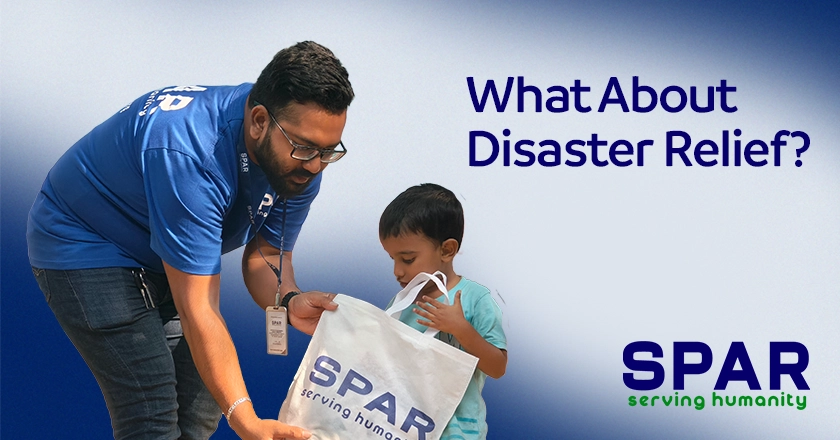
Disaster relief often qualifies, but the details matter. Flood survivors who’ve lost income and shelter clearly meet the poverty and destitute criteria. But a relief charity must direct Zakat funds only to eligible individuals — not to logistics, admin, or infrastructure costs. Ask the charity directly: “Do you separate Zakat funds from other income?” The honest ones will answer clearly.
Does the Charity Need to Be Islamic?
No — but it needs to serve the right recipients. A secular NGO feeding destitute families in Sylhet can receive Zakat if the funds reach eligible individuals. The charity’s faith label doesn’t matter. Its delivery structure does. Islamic charities often have built-in compliance systems for this, which is why many scholars prefer them for Zakat giving to charity — but it’s not a hard rule.
Common Mistakes in Zakat Giving to Charity
Most Zakat mistakes aren’t about bad intent. They come from habit. Many donors give to the same place every year without checking if it still qualifies. Some give Zakat to a mosque they love — but mosque construction isn’t a valid Zakat category in most scholarly opinion. Others split their Zakat across too many small causes without verifying any of them. And some donors count Sadaqah they’ve already given as part of their Zakat. These are separate obligations. Zakat is fixed and mandatory. Sadaqah is voluntary and extra. Mixing them doesn’t fulfill either properly.
Counting General Donations as Zakat
This is the most common error we see. A donor gives $200 to a food drive in Ramadan, then assumes that counts toward their Zakat. It doesn’t — unless they stated the Niyyah (intention) at the time of giving that it was Zakat. Intention before or during the act is a condition. Retroactive labeling doesn’t count. If you’re unsure, give again with clear intention. The extra giving won’t hurt anyone.
Who Needs Zakat Most in Bangladesh Right Now?
Bangladesh sits at a painful crossroads. UNICEF estimates that over 19 million children in Bangladesh live in multidimensional poverty — lacking food, clean water, and basic healthcare at the same time. Flood-displaced families in Sylhet, Sunamganj, and Netrokona face debt cycles that last years after the water recedes. Farmers lose crops. Families sell assets. Children drop out of school. These aren’t edge cases. They’re the norm across whole districts. Zakat giving to charity directed here can break a debt cycle before it destroys a family’s next generation.
What Real Impact Looks Like on the Ground
In January 2025, our team in Jamalpur District met a woman named Fatema. Her husband had taken on $200 in debt after the 2024 monsoon floods destroyed their rice harvest. That debt was growing. A single Zakat-funded cash transfer of $150 cleared most of it. She didn’t need a program. She needed a gap filled — fast. Communities across northern Bangladesh face exactly this. The change doesn’t make headlines. It shows up in a family’s accounts, in a child back at school, in a farmer who kept his land.
What Zakat Giving to Charity Means for Your Nisab Decision
Your Zakat is due when your wealth passes the nisab threshold — roughly $450 in silver or $4,500 in gold, held for one lunar year. The question isn’t just “do I owe Zakat?” It’s “where does it go?” UNICEF estimates over 19 million children in Bangladesh live in multidimensional poverty right now. Directing your Zakat giving to charity toward verified, on-the-ground work means your 2.5% reaches the eight categories the Quran names — not overhead. The gap between intention and impact is where organisation choice matters most.
How to Verify a Charity Before You Give Zakat
Not every charity qualifies to receive Zakat. The funds must go to one of eight recipients named in Surah At-Tawbah (9:60) — including the poor, the debt-burdened, and those in hardship. Before you give, check whether the organisation works in eligible categories, publishes field reports, and shows named beneficiary outcomes. A charity that can tell you Fatema’s story — and show you the district and the date — is a charity doing the work.
Why Bangladesh Remains a Priority for Zakat Funds
Bangladesh sits at 129th on the UN Human Development Index. Flood cycles in Sylhet, Sunamganj, and Jamalpur push families into debt every monsoon season. Debt-burdened families fall into the al-gharimeen category — one of the eight Zakat-eligible groups named in the Quran. Zakat giving to charity directed here reaches people who qualify under Islamic law and who face genuine, measurable hardship. The numbers and the fiqh point in the same direction.
Behind every debt cleared is a farmer who kept his land. Behind every child back in school is a family that didn’t have to sell assets to survive a flood. At SPAR, the work in northern Bangladesh keeps going long after each monsoon season ends — in Jamalpur, Kurigram, and the districts that rarely make the news. It’s quiet, consistent, and accountable. See how this work continues →

