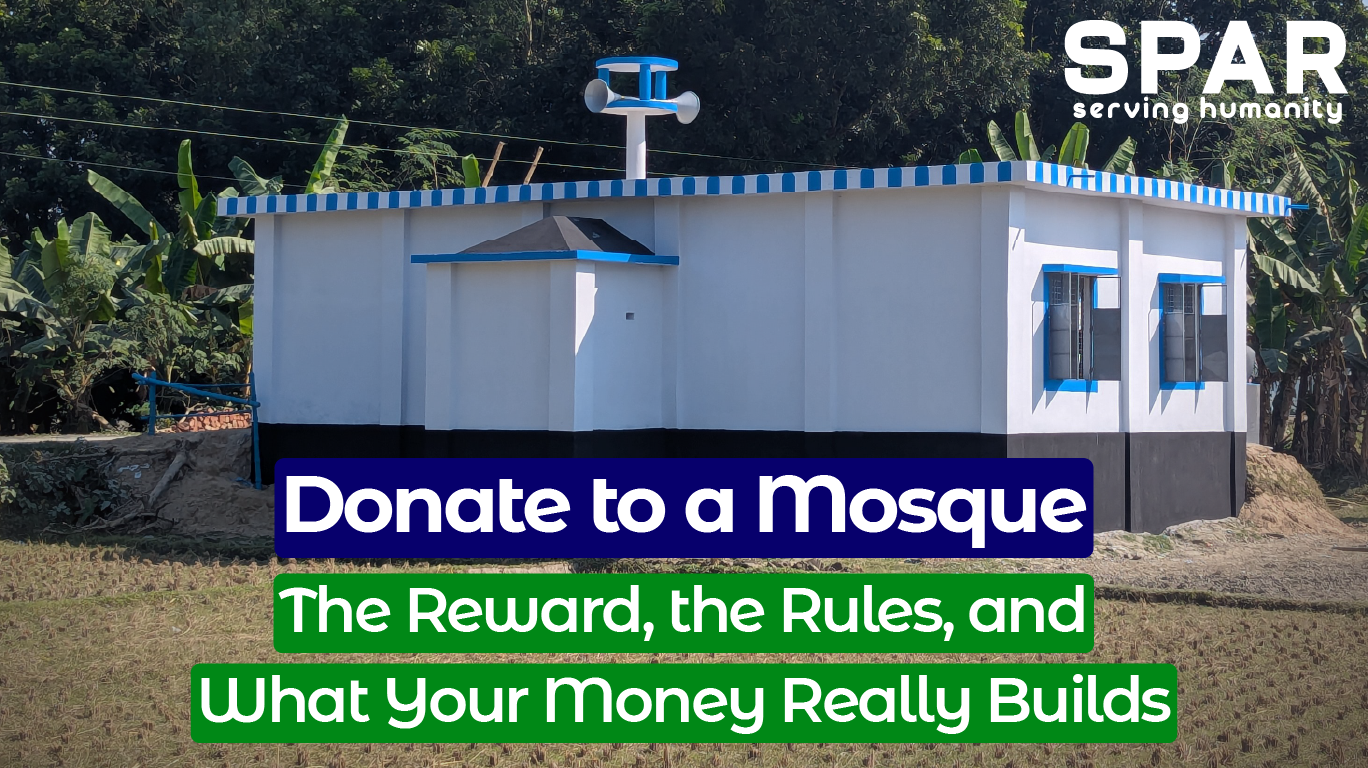
Donate to a Mosque: The Reward, the Rules, and What Your Money Really Builds
Donating to a mosque means giving money to support a Muslim place of worship and its community programs. It can cover building costs, education, food aid, or local welfare services. Many scholars count it as Sadaqah Jariyah — a gift that keeps earning reward after you’re gone.
Why Donating to a Mosque Matters Right Now
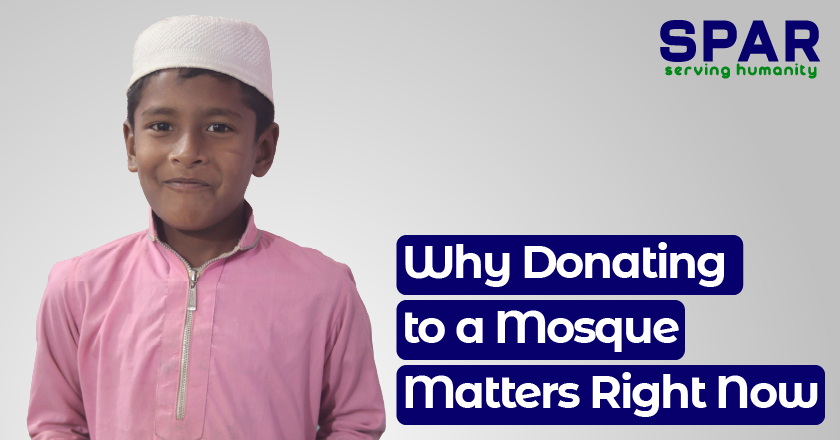
Mosques serve millions of people who have no other safety net. UNICEF estimates that over 19 million children in Bangladesh alone lack access to basic social services — and local mosques often fill that gap. That’s not a small thing.
Donate to Mosque: What Most People Don’t Know
Most donors think mosques give only funds for prayer halls. But research from the Pew Research Center shows mosques in Muslim-majority countries run education, health referrals, and emergency food programs for their wider communities. Our team working in northern Bangladesh sees this every week — a single mosque can be the only structured support a family ever touches.
What Types of Mosque Giving Actually Exist?
Most people know about building funds. But mosque giving splits into four clear types: construction and repair, education programs, food and welfare aid, and Islamic community outreach. Each serves a different need — and each carries a different kind of reward.
Building and Maintenance Gifts
A gift toward the physical mosque — walls, roof, wiring — is one of the most cited forms of Sadaqah Jariyah. The Prophet Muhammad ﷺ said: “Whoever builds a mosque for Allah, Allah will build for him something similar in Paradise” (Sahih al-Bukhari, Book 8, Hadith 441). Every prayer held inside that building adds to the original donor’s account.
Education and Quran Programs
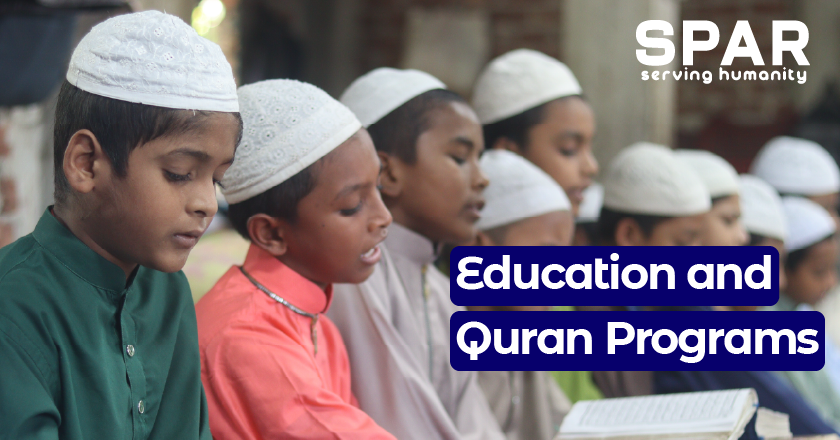
Many mosques run full madrasah programs. In Bangladesh alone, the government estimates over 14,000 registered madrasahs serve rural communities with no other schooling option. A gift here funds a child’s only path to literacy.
Food and Emergency Aid
Some mosques run weekly food distributions. Our team in Jamalpur District met Rahela, a widow with three children, in March 2025. The mosque kitchen was the only hot meal her family received that week.
Community Outreach and Welfare
Mosques also fund health referrals, marriage support, and debt relief for the poor. The World Bank notes that informal community networks — mosques among them — reach populations formal systems consistently miss.
Common Mistakes People Make When They Donate to Mosque
The biggest mistake is giving without checking how funds are used. A mosque with no clear financial reporting may not separate building funds from welfare funds — and donors lose track of where their money actually went.
Giving Only Once
One-time gifts build walls. But recurring support — even $10 a month — keeps programs running. Most mosque welfare programs fail not from lack of initial interest but from funds drying up mid-year.
Assuming All Mosque Funds Reach the Neediest
Not every mosque serves a poor community. A city mosque in Dhaka may be well-funded already. Rural mosques in Sylhet, Rangpur, or Khulna often run on almost nothing. Directing giving toward under-resourced areas makes the same dollar go much further.
Skipping the Question of Accountability
Ask who oversees the funds. A trustworthy mosque will have a named committee, a written budget, and a record of past spending. Charity Navigator’s standards — though designed for formal nonprofits — offer a useful checklist any donor can adapt.
Who Needs Mosque Support the Most?
The people most affected by gaps in mosque funding are rural, poor, and often invisible to formal aid systems. UNICEF data shows that children in the Rangpur and Mymensingh divisions of Bangladesh face some of the highest poverty rates in South Asia. These are exactly the communities where mosque welfare programs are the only structured help in reach.
Orphans and Widows
Islamic texts place special weight on caring for orphans and widows. In Bangladesh, the World Food Programme estimates that female-headed households face food insecurity at nearly twice the national rate. Mosques serving these families carry a load the state cannot.
Rural Children Without Schools
In many northern districts, the nearest government school sits more than five kilometers away. The local mosque — with a part-time teacher and a dirt floor — is the classroom. A gift of $50 can cover one child’s materials and lessons for a full year.
Elderly Without Family Support
Bangladesh’s rapid urbanization pulls young people toward cities. Older adults left behind often have no income and no family nearby. Mosque welfare committees in rural Dinajpur and Gaibandha districts visit these households weekly — but only when funds allow.
What’s the Real Impact of a Single Mosque Gift?
One gift rarely transforms a community alone. But it adds to a chain of small decisions that, together, do. Real change here is rarely sudden. It comes from small, sustained efforts repeated season after season — and the teams doing this work don’t make headlines. [
What to Know Before You Donate to a Mosque
Mosque giving works best when it connects to real, ongoing need. UNICEF reports that over 19 million people in Bangladesh still lack access to safe water — and mosque-linked programs reach many of them. See how this work continues →.
How Giving Habits Are Shifting
Donors now ask harder questions. They want to know where money lands and who it reaches. Mosques and mosque-linked charities that share field updates — names, places, outcomes — earn trust faster than those that don’t.
What Makes a Gift Last
A one-time gift can fix a roof or stock a food shelf. But repeated, even small, giving to mosque-based programs funds things like a part-time teacher’s wages or a monthly welfare visit. Those don’t get headlines. They do get results.
Behind every clean well and every child with school materials is a long line of people who chose to stay involved. At SPAR, we’re part of that quiet line — working across Bangladesh’s northern districts season after season. More on our Bangladesh work →.