Best Charity to Give Zakat: What to Look for Before You Give
The best charity to give zakat is one that reaches nisab-eligible recipients directly, keeps overhead low, and shows you where the money goes. Zakat isn’t a general donation — Islamic law sets strict rules about who can receive it. A good zakat charity names its recipients, works in verified poverty zones, and can show you proof. That’s the bar. Most can’t clear it.
Why Giving Zakat to the Right Charity Matters Right Now
Zakat is one of the five pillars of Islam. It’s not optional. So where you send it matters — legally and spiritually. The World Bank estimates that about 700 million people still live on less than $2.15 USD a day. A huge share of them are Muslim, and many live in South Asia. Bangladesh alone had about 18.7% of its population below the national poverty line as of 2022, according to the World Bank. When zakat reaches the right hands — the poor, the indebted, those who can’t eat — it breaks a cycle. When it doesn’t, it disappears into admin costs and vague “program expenses.” The difference comes down to who you trust with it.
Zakat Charities: What Most Donors Don’t Know
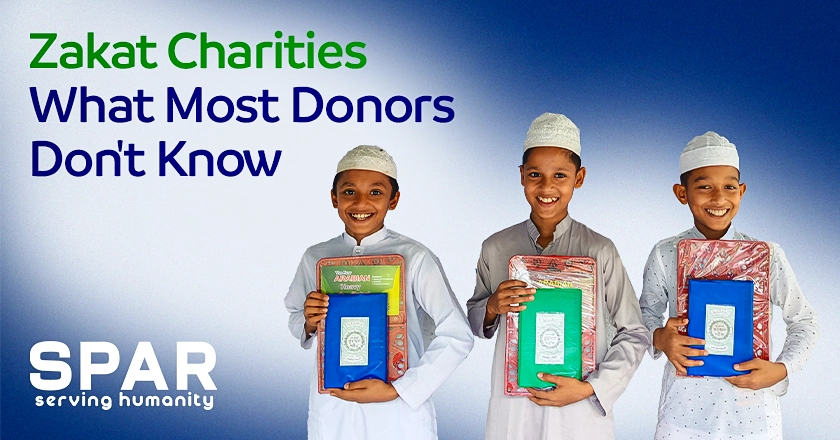
Most people think any Islamic charity counts for zakat. It doesn’t. Scholars like Ibn Uthaymeen were clear: zakat must go to one of the eight categories named in Surah At-Tawbah (9:60) — the poor, the needy, those in debt, and others. A charity that mixes zakat funds with general sadaqah pools is not managing it correctly. Global zakat giving is estimated at over $600 billion USD annually, according to the Islamic Development Bank — yet distribution stays wildly uneven. Families in flood-prone districts of Bangladesh, for example, often see none of it. Verified field presence and transparent recipient lists aren’t just nice extras. They’re what makes a zakat charity valid.
Who Qualifies to Receive Zakat — and Why It Matters
Getting this right is the whole point. The Quran names eight categories in Surah At-Tawbah (9:60): the poor, the needy, zakat collectors, those whose hearts are being reconciled, people in bondage, those in debt, those in the path of Allah, and travelers in need. A charity must direct your zakat to at least one of these groups. If it can’t show you which category it serves — or how it screens recipients — that’s a warning sign. Scholars like An-Nawawi held that intent and correct recipient selection are both conditions for zakat to count.
What Disqualifies a Recipient?
Not everyone who is poor qualifies. A person who owns wealth above the nisab threshold can’t receive zakat. Close family members — parents, children, spouses — are also excluded, since a donor already carries a duty to support them. Some scholars also exclude the wealthy relatives of a recipient, depending on circumstance. A trustworthy charity knows these rules. It vets beneficiaries before distributing funds, not after.
How Do Charities Verify Need?
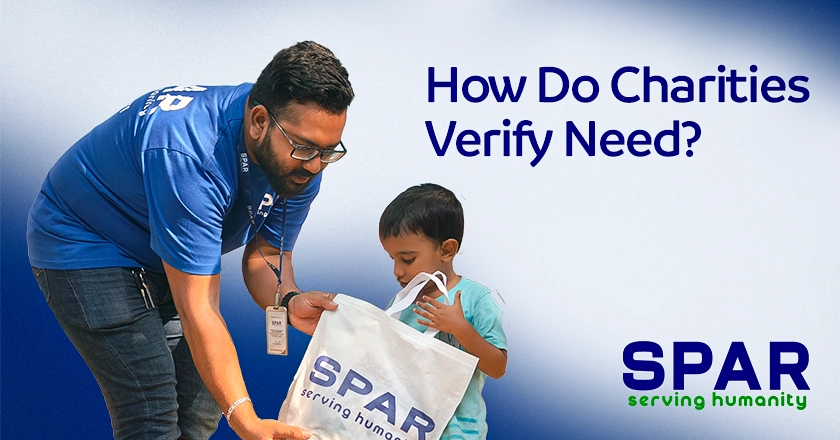
Field teams do this through direct household assessments. They check income, assets, dependents, and debt levels. Our team in Kurigram District visited families in March 2025 and met Rahima — a widow with four children and no land. She qualified under two categories: the poor and those in debt. That kind of ground-level work takes time. But it’s what makes a zakat valid, not just well-intentioned.
Common Mistakes Donors Make When Giving Zakat
Most zakat mistakes come from trust without verification. Donors assume a charity is zakat-eligible because it uses Islamic language or has a Muslim name. But eligibility depends on how the charity handles funds — not how it brands itself. According to UNICEF, less than 40% of aid in fragile states reaches intended beneficiaries without loss to admin or leakage. That stat applies to Islamic giving too. Choosing the best charity to give zakat means asking hard questions: Who receives it? How is it tracked? Can you see the list?
The “General Fund” Problem
Some charities pool zakat with sadaqah and general donations. This is a problem. Zakat has strict rules. Sadaqah doesn’t. When funds mix, you lose the guarantee that your zakat reached a valid recipient. Ask any charity you’re considering: “Do you keep zakat in a separate fund?” If the answer is vague, look elsewhere. The best charity to give zakat keeps it ring-fenced — from receipt to disbursement.
Who Needs Zakat Most Right Now
The answer isn’t abstract. It’s specific people in specific places. Bangladesh sits among the most climate-exposed countries in the world. The Global Climate Risk Index ranks it in the top ten most affected nations over the past two decades. Floods in 2024 displaced over a million people across northern districts, according to the UN Office for the Coordination of Humanitarian Affairs. Many of those families are still rebuilding. They own almost nothing. They qualify for zakat. And most global zakat funds never reach them.
What Consistent Giving Does That One-Time Gifts Can’t
A single donation helps. But it doesn’t change a pattern. Families living near the Jamuna River in northern Bangladesh face flooding almost every year. One round of aid gets them through a season. Repeated support — a family covered at $30 per month across three years — builds something that lasts. It funds a child staying in school. A mother clearing a debt. A household that doesn’t start over from zero each October. The teams working quietly in these districts don’t make headlines. But the change is real, and it compounds.
What Choosing the Right Zakat Charity Actually Means
Zakat is not just a payment. It’s a test of intention. The best charity to give zakat is one that reaches people who qualify under Islamic law — people with almost nothing — and uses the funds without waste. Bangladesh hosts over 170 million people. The World Bank estimates nearly 19 million live below the poverty line. Many are zakat-eligible. UNICEF data shows millions of Bangladeshi children still lack access to clean water and basic schooling. The work SPAR does in these northern districts runs without fanfare. But it’s the kind of work that actually moves the needle.
Does Your Zakat Reach People Who Actually Qualify?
Not every charity targets the eight categories of zakat recipients defined in Surah At-Tawbah (9:60). Some mix zakat funds with general charity pools. Others serve populations that don’t meet nisab-based eligibility criteria. The best zakat organizations publish their recipient criteria. They show how they screen for eligibility. Families in flood-affected districts of Bangladesh — Kurigram, Jamalpur, Sirajganj — often qualify clearly. They own little. They owe much. Zakat was designed for people in exactly that position.
How Do You Know the Funds Are Being Used Right?
Look for field reporting, not polished brochures. A trustworthy zakat charity names its locations, its recipients, and its outcomes. It tells you what $30 did. It tells you what a $500 disbursement covered. Vague impact claims are a warning sign. Specific ones — a named district, a documented number of families reached, a clear program description — are the standard every zakat organization should meet.
Behind every small change in a Bangladeshi village is a long line of people who chose to stay involved. They asked hard questions about their zakat. They looked past the biggest campaigns. They found smaller, field-focused organizations doing the actual work. At SPAR, we keep showing up in the districts that global funds skip. The work is slow. But it’s real. See how this work continues →