Sadaqah Water Well: What Islam Says, What It Costs, and What It Earns You
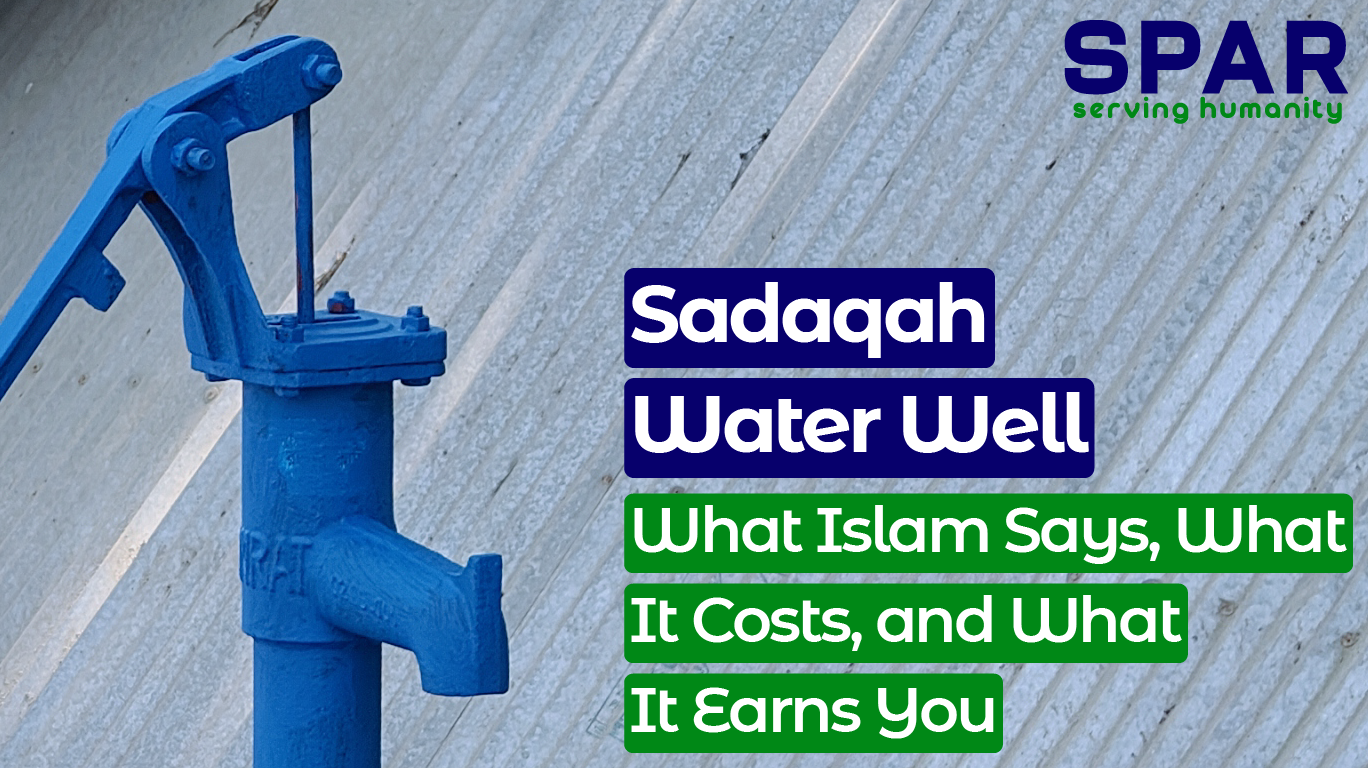
A sadaqah water well is a charitable water source built in a low-income community in the name of Allah. It counts as *sadaqah jariyah* — ongoing charity — because its reward continues after the donor’s death. One well can serve hundreds of families for years.
Why Sadaqah Water Wells Matter Right Now
Water is a life-or-death issue for millions. UNICEF estimates that 703 million people still lack access to safe drinking water close to home. In countries like Bangladesh, a single well can cut waterborne illness rates sharply — and cut the daily burden on women and children who walk hours to collect water.
Sadaqah Water Well by the Numbers
The scale of the need is hard to ignore. WHO data shows unsafe water kills about 1.4 million people each year. But a community water point costs as little as $300–$500 USD to build — and can serve a village for a decade or more.
What Types of Sadaqah Water Wells Exist?
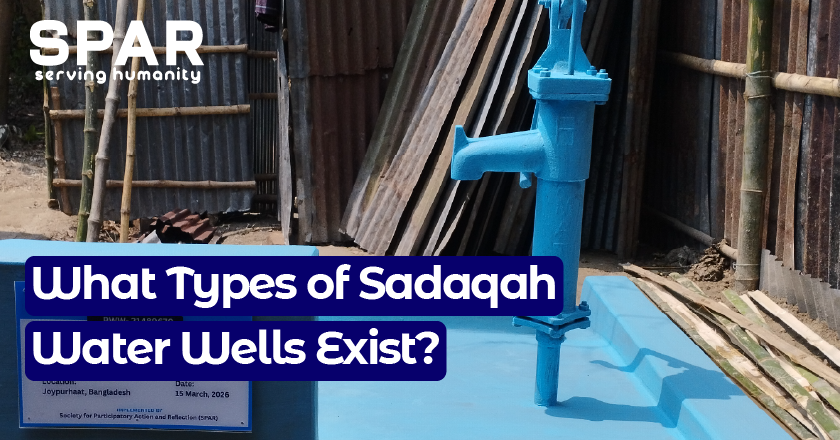
Not all sadaqah water wells are the same. The type built depends on the region, the soil, and how many families the well must serve.
Hand-Dug Open Wells
A hand-dug well goes down 10–30 meters into shallow groundwater. It costs between $300–$800. It suits small villages with soft soil and a high water table.
Tube Wells and Borehole Pumps
A tube well uses a metal pipe drilled deep — sometimes 60–100 meters — to reach clean water below arsenic-heavy shallow layers. WHO guidelines recommend this depth in Bangladesh to avoid arsenic contamination. These cost $500–$1,500 but serve more families, longer.
Solar-Powered Community Pumps
A solar pump pulls water from a deep borehole and feeds a shared tap stand. No fuel cost. No hand-pumping. It can serve 500–1,000 people from one source. The setup cost runs $2,000–$5,000 — but the per-family cost drops sharply over time.
Who Needs a Sadaqah Water Well Most?
Women and children carry the heaviest burden when clean water is far away. UNICEF data shows women and girls spend an average of 200 million hours every day collecting water globally.
Rural Families in Low-Lying Areas
In Bangladesh, flood-prone districts like Kurigram, Sunamganj, and Jamalpur lose wells to seasonal flooding every year. Families rebuild from nothing. Then it floods again.
Children Under Five
Waterborne illness hits young children hardest. WHO estimates that diarrhoeal disease kills about 1,300 children under five every single day. Most of those deaths are preventable with clean water.
Widows and Female-Headed Households
A woman without a husband has less land, less income, and less access to shared resources. She’s also least likely to live near a functioning water point. A well nearby changes her daily life in ways that are hard to overstate.
Common Mistakes People Make About Sadaqah Water Wells
Many donors assume any well counts as *sadaqah jariyah*. But the reward depends on intention, sincerity, and — according to scholars like Ibn Uthaymeen — whether the act was done *li-wajhillah*, for the sake of Allah alone.
Mistake: Thinking One Well Serves Everyone Nearby
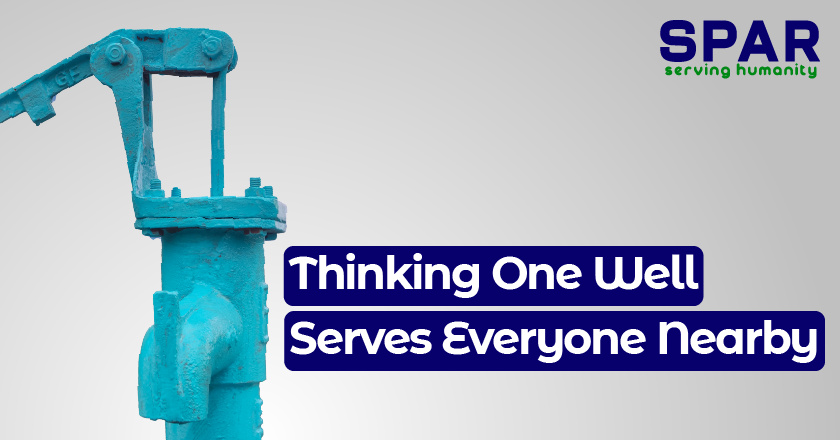
A single hand-pump serves roughly 250–300 people well. Beyond that, the queue grows long, the pump wears out faster, and some families stop using it. Good programs assess the population *before* drilling.
Mistake: Ignoring Maintenance
A well without a maintenance plan fails within three years. World Bank research found that up to 36% of rural water points in sub-Saharan Africa and South Asia are broken at any given time. The build is just the start.
Mistake: Skipping Local Ownership
A well built *for* a community without *involving* the community rarely survives long-term. When local leaders help choose the site and families take responsibility for upkeep, the well lasts. When outsiders decide everything and leave, it often doesn’t.
What Real Impact Looks Like on the Ground
Our team visited Char Rajibpur — a remote riverine island in Kurigram District — in March 2025. We met Rashida, a mother of four. Her nearest safe water point was a 40-minute walk each way.
What Changed After a Well Was Built Nearby
Rashida’s daughters now go to school most mornings. Before the well, they left at dawn to fetch water. By the time they returned, the school day had already started. Clean water gave them their mornings back.
The Knock-On Effects No One Talks About
Less time on water means more time on school, on income, on rest. A [World Health Organization study](https
What a Sadaqah Water Well Means Long-Term
A sadaqah water well keeps working long after it’s built. WHO data shows clean water cuts child diarrhea deaths by up to 45%. That’s not a one-time result. It compounds — year after year — for every family nearby. See how this work continues at SPAR →
How Long Does the Impact Last?
A well built with local involvement and proper maintenance can serve a community for 15–20 years. The families using it today aren’t the only ones who benefit. Their children, and their children’s children, drink from the same source.
What Makes the Difference Over Time?
Local ownership does. When a community cares for a well — fixing small faults fast, keeping records, training a local hand — the well survives. When no one holds that responsibility, it breaks and stays broken.
Behind every clean water point in Kurigram or Char Rajibpur is a long line of people who stayed involved after the build was done. At SPAR, that’s the part we don’t skip. The work in Bangladesh keeps going quietly, one well at a time.