Sponsor an Orphan Monthly: What It Really Means and Why It Works
What Is Sponsor an Orphan Monthly?
Monthly orphan sponsorship means one donor commits a fixed amount — often $20–$50 — each month to cover a specific child’s food, education, and basic healthcare. Unlike one-time gifts, it creates a predictable income stream so caregivers can plan ahead. That consistency is what separates sponsorship from standard charity.
Why Sponsor an Orphan Monthly Matters Right Now
The scale of the problem demands a long-term answer. UNICEF estimates there are approximately 140 million children worldwide who have lost one or both parents — and in South Asia alone, that number runs into the tens of millions. A recurring monthly commitment means a child doesn’t lose support the moment a donor’s attention shifts.
Orphan Sponsorship by the Numbers
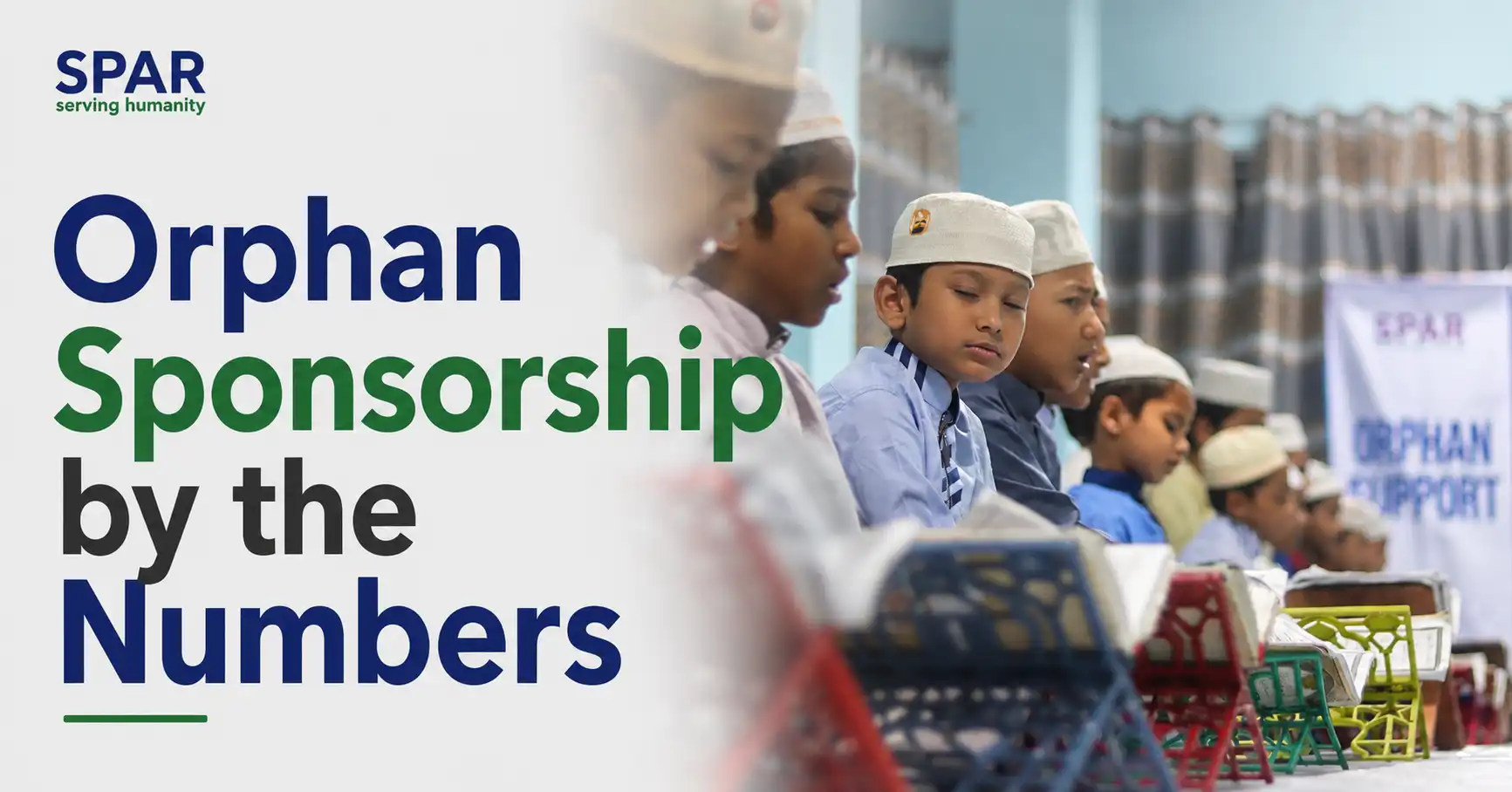
Most people don’t realize how far a small monthly amount actually goes in a country like Bangladesh, where the cost of living remains low relative to donor countries. According to World Bank data, over 18% of Bangladesh’s population still lives below the international poverty line — which means $30 a month can cover school supplies, two meals a day, and basic medicine for a child who’d otherwise go without all three.
What Types of Orphan Sponsorship Are There?
Monthly orphan sponsorship breaks into three main models: full sponsorship (covering food, education, and healthcare for one named child), partial sponsorship (pooled with other donors to fund a group), and project-based sponsorship (supporting a facility like a school or shelter that serves dozens of orphans at once).
Full Individual Sponsorship
One donor. One child. One monthly amount — usually between $25 and $50 — tied directly to that child’s costs. You typically receive updates, a profile, and sometimes letters. It’s the most personal model.
Pooled or Shared Sponsorship
Several donors share the cost of caring for a child or a group. The monthly ask is lower — sometimes as little as $10 — but the impact still reaches the same child. It works well for donors who want to contribute without carrying the full cost alone.
Facility-Level Sponsorship
Instead of sponsoring one child, this model funds the institution that houses many. An orphanage, madrasa, or community care center receives a steady monthly amount. Less personal contact, but potentially wider reach per dollar spent.
Who Is Most Affected by Orphanhood in Bangladesh?
Children between the ages of 5 and 14, living in riverine districts like Kurigram, Jamalpur, and Sirajganj, face the highest risk. Flood displacement, paternal death from waterborne illness, and poverty-driven family breakdown leave these children with no safety net — and no school enrollment within weeks.
The Gender Gap in Orphan Care
Girls lose access to education faster than boys after a parent dies. UNESCO data shows that in low-income South Asian households, a girl child is pulled from school first when money tightens. Orphaned girls face this pressure at an even sharper angle.
Younger Children Carry the Highest Risk
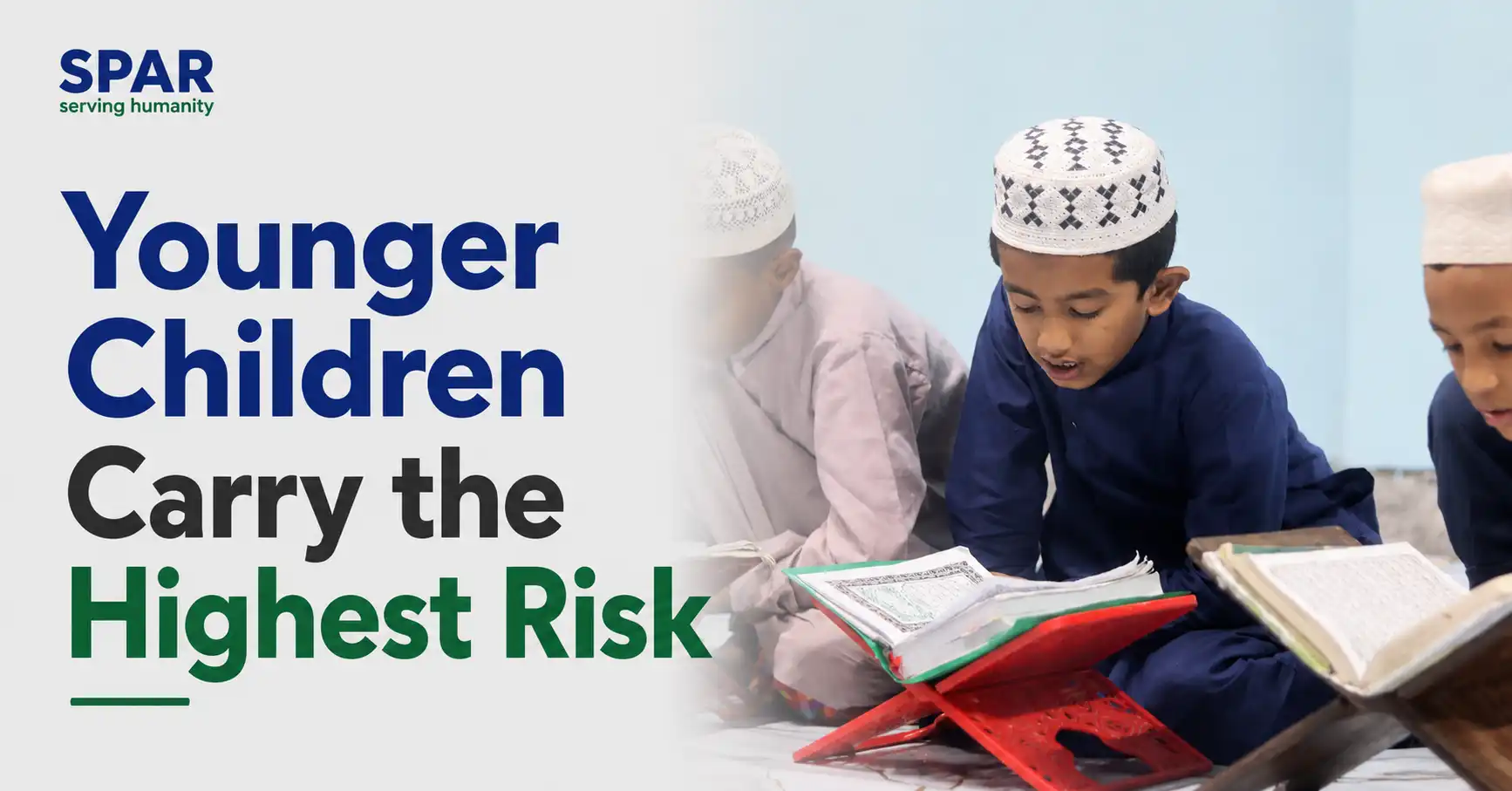
Children under five who lose a primary caregiver face the steepest developmental consequences. UNICEF’s research on early childhood consistently shows that disruptions before age five affect cognitive development, language acquisition, and long-term earning potential. The cost of not acting in those years compounds across a lifetime.
Adolescent Orphans Fall Through the Cracks
Teens aged 13–17 are too old for most child-welfare programs and too young to work legally. Without a sponsor or structured support, they either drop out or enter hazardous labor. That transition — from dependent child to unsupported teen — is where monthly sponsorship makes its quietest, least-publicized difference.
Common Misconceptions About Monthly Orphan Sponsorship
Most people assume their monthly amount goes to one child in full, with no administrative overhead. In practice, every legitimate program carries coordination costs — field staff, monitoring, health checks, and reporting. A transparent organization shows you exactly what percentage reaches the child directly.
“My Money Goes Straight to the Child”
It doesn’t — not all of it, and that’s fine. Overhead isn’t a waste. Field workers in Mymensingh or Rangpur cost money. Those workers are the reason the support actually reaches a rural child rather than disappearing into a bureaucratic gap.
“All Orphan Programs Are the Same”
They’re not. Programs differ on whether they keep children in family-based care or institutional settings. Research published in The Lancet61922-6/fulltext) found that family-based care produces significantly better outcomes for children’s mental health than institutional care — even when the institution is well-funded.
“One Month Won’t Matter If I Miss It”
Actually, it can. Children in recurring-sponsorship programs are enrolled in term-based education and scheduled health visits. A missed month — if it causes a funding shortfall — can result in a child being withdrawn from school mid-term, a gap that’s hard to close afterward.
Real Impact: What Consistent Sponsorship Actually Changes
Our team visited Jamalpur District in March 2025 and met a boy named Rafiq, nine years old, whose father had lost to flooding in 2022, mother was working seasonal agricultural labor. Before his sponsorship began, he’d missed 40% of the
What Monthly Orphan Sponsorship Actually Requires From You
Consistent sponsorship of an orphan child in Bangladesh works best when it runs for at least 12 months — long enough for a child to complete an academic term and benefit from scheduled health screenings. SPAR’s work in Bangladesh shows that children in sustained programs are significantly more likely to remain enrolled in school through the year.
How Long Does It Take to See a Real Difference?
Measurable change — improved attendance, better nutrition markers, documented health visits — typically shows up within six months of consistent funding. The first three months often go to enrollment, baseline assessments, and logistics. Patience isn’t passive here. It’s part of what the model requires.
What Happens When a Sponsor Stays the Course
A child like Rafiq, nine years old and living in Jamalpur, doesn’t need a one-time intervention. He needs someone who’s still there in month seven. That continuity is what separates a temporary fix from a shift in his actual trajectory.
Behind every measurable change in a child’s life is a long, quiet line of people who chose to stay involved after the moment passed. At SPAR, that’s the work we’re doing in Bangladesh — district by district, month by month, without fanfare. See how this work continues →